Latest News Textbooks Solved Notes English Novels Urdu Novels Cricket PSL T20 IPL T20 FIFA World Cup

Theory of Educational Philosophy: Your Guide to the Branches That Shape Today’s Classrooms

Published On: September 7, 2026 6:24 AM
Imagine entering two distinct classrooms. The instructor is at the front of the class in the first room. Pupils are taking notes while remaining silent. Students raise their hands to indicate the right response when the teacher poses a question. Things appear different in the second room. Students are working on a project while seated in groups. They are producing, debating, and conversing. The instructor circulates, posing queries and offering assistance to those in need. Though they disagree on how learning occurs, both educators want their pupils to learn. A teacher's educational philosophy is the source of these concepts. Whether they are aware of it or not, every teacher has one. Your philosophy is your "why." It is the collection of ideas that drive all of your actions in the classroom. It determines what you teach, how you educate, and how you handle your pupils. The theory of educational philosophy may seem like a huge, intimidating subject. However, it's actually just a means to consider one of the most important topics in education: What is the goal of school? What ought to be taught to students? What is the role of a teacher? The main areas of educational philosophy as they stand in 2026 will be examined in this essay. "Educational philosophy provides the foundation for how teaching and learning are understood and practiced in schools," according to one educational website. The goals of education, the role of teachers, and the requirements of pupils are all reflected in the many philosophies. The majority of ideologies fall into one of two broad categories: student-centered or teacher-centered. Let's examine each one. Section 1: Philosophies Focused on Teachers Traditional approaches are teacher-centered. The instructor is in charge in these classrooms. They are the primary source of information, and it is their responsibility to impart that information to pupils. Consider the instructor as a knowledgeable person imparting their knowledge. Idealism: Concepts Are Crucial One of the earliest philosophies is idealism. It all began with Plato, a well-known Greek philosopher. The only genuine reality, in his opinion, is an idea. The reality that our eyes perceive is only a flawed replica of an ideal universe of concepts. "The Allegory of the Cave" is a well-known tale that Plato used to illustrate this point. Imagine a group of individuals in a cave, shackled. On a wall, they can only perceive shadows. These shadows seem real to them. One individual escapes and heads outdoors. The sun and the actual world are visible to them. A philosopher is represented by this individual. They have witnessed the realm of ideas, which is the truth. An idealist teacher believes that education is about assisting pupils in discovering these fundamental truths. They concentrate on the intellect. Great literary, historical, and philosophical works should be studied by students. Through lectures and Socratic dialogue—a fancy word for asking probing questions—the instructor guides the students to the truth. Realism: The World Exists Another ancient philosophy is realism. Aristotle, a pupil of Plato, created it. Aristotle was more practical than Plato, who concentrated on concepts. He thought the world we see is genuine. Through our senses, we may discover more about it. Studying and observing the world around us helps us learn. A realist educator emphasizes the natural world and facts. Logic, arithmetic, and science are crucial. Presenting the facts of the world in an orderly and understandable manner is the teacher's responsibility. Essentialism: Returning to the Fundamentals A contemporary combination of idealism and realism is essentialism. It all comes down to teaching the fundamentals. Essentialists contend that pupils should learn the fundamental abilities necessary for success in school. We are discussing science, math, reading, writing, and history. In 2026, many parents and politicians demand for a "back to basics" approach. This is essentialism. "Essentialism is about teaching the basics—reading, writing, math, science, and history—in a structured and organized way. The teacher is the main authority in the classroom, and students learn through direct instruction, practice, and repetition" . The Great Books of Perennialism Essentialism and perennialism are comparable. Additionally, it is teacher-centered. The main distinction is that perennialism emphasizes imparting concepts and information that are timeless. Perennialists think there are eternal truths that are always essential. The "Great Books," which are famous works by philosophers like Plato, Aristotle, and Shakespeare, are read by pupils in perennialist classrooms. Encouraging kids to think and reason is the aim. Studying how the great brains of the past solved challenges teaches them how to do the same. The instructor helps pupils comprehend these fundamental facts. Summary of the Teacher-Centered Approach You will observe the following in these classrooms: Direct Instruction: The instructor serves as the primary speaker and provides concise explanations of ideas. Rote Memorization: Students commit formulae and information to memory. Unambiguous Rules: The classroom is organized and well-organized. High Standards: Teachers hold every student to a high standard. These ideologies are significant. They offer a framework and an emphasis on fundamental knowledge. They help pupils get ready for the workforce, which is why many parents and legislators support them. Section 2: Philosophies Focused on Students Let's switch to the opposite side now. The student is at the core of the learning process according to student-centered theories. The student's needs, interests, and personal development are the main focus. Instead of becoming a boss, the instructor becomes a mentor. Pragmatism: Acquiring Knowledge by Practice A straightforward concept goes under the moniker of pragmatism. According to this belief, experience is the greatest way to learn. Pragmatists believe that a concept is only valid if it is practical. John Dewey is the most significant American thinker in this regard. "A social function" is how Dewey defined education. A pragmatist views education as more than merely future preparation. It's about leading a purposeful life in the now. Problem-solving, collaborative projects, and practical exercises take place in the classroom. Progressivism: Lifelong Learning The real-world implementation of pragmatism in education is known as progressivism. "Learning by doing" is the key. You won't find pupils merely sitting and listening in a progressivist classroom. They'll be actively involved. Learning by doing is emphasized by progressivism. Students actively participate in group projects, problem-solving, and practical exercises. Students are encouraged to think critically and develop into lifelong learners by connecting lessons to their interests and real-world experiences. Rather than merely lecturing, the instructor serves as a guide. Projects that link several areas are frequently included in the curriculum. For instance, students might reenact a historical event to learn about history. By creating a garden, they may learn math. The objective is to develop pupils who are capable of independent thought and who will make decent citizens. Reconstructionism: Transforming the World Reconstructionism takes things a step farther. This way of thinking focuses on utilizing education to address societal issues. "Reconstructionism focuses on using education to address social problems and improve society. Students are encouraged to think critically about current issues, explore different viewpoints, and develop solutions to real-world challenges" . In 2026, this concept is quite prevalent. Climate change, inequality, and political strife are just a few of the major issues facing the globe today. According to reconstructionists, schools ought to provide pupils with the skills necessary to address these issues. Students may be challenged to create a plan to lessen pollution in their neighborhood in a reconstructionist classroom. They may research current affairs and consider ways to create a more equitable world. Fairness, justice, and global responsibility are topics that are frequently discussed in the classroom. Existentialism: Discovering Your Own Identity Another type of student-centered philosophy is existentialism. It has nothing to do with the group or society. It all comes down to the person. "Existentialism centers on individual choice and personal growth. It encourages students to explore who they are, what they believe, and how they want to live their lives. Learning is often self-directed, and teachers support students in making meaningful decisions about their education" . Students enjoy a great deal of freedom in an existentialist classroom. They may be given the freedom to select the subjects they wish to study. It is the teacher's responsibility to assist them in reflecting on their life and making wise decisions. Philosophy, literature, and art are crucial topics because they enable students to pose significant questions about themselves. Summary of the Student-Centered Approach You will observe in these classrooms: Students learn from one another when working in groups. Projects: Students use what they've learned to complete practical tasks. Choice: Students have a voice in what and how they study. Discussion: Students are invited to offer their ideas. These concepts are centered on developing lifelong learners and involved citizens. They teach pupils to be adaptable, innovative, and socially aware. The Third Category: Society-Centered Approaches Some instructors conceive about schooling another way. They see it as a tool for the community. We refer to this as a society-centered approach. It extends beyond specific pupils. This method is frequently employed to teach about national, local, or international issues. A teacher could design a lesson on voting procedures, for instance. Students may also be asked to volunteer in the community. This strategy is related to Reconstructionism, which we have previously discussed. The group and the common good are prioritized. Teaching pupils to be responsible members of society is the goal. How to Select Your Own Philosophy Typically, educators don't choose a single philosophy. The majority are "eclectic," which means they incorporate concepts from numerous philosophies to produce a distinctive look. You are also capable of doing this. An excellent illustration of how this operates is provided by an education platform, which describes a process in which aspiring educators are given "idea cards." They select concepts from various philosophies that they find appealing. After placing the cards in a "shopping bag," they collaborate with others to exchange ideas and develop their own philosophies. The goal is to "Select ideas from each of the three approaches, the philosophies and the educational theories that would suit student teachers’ individual philosophies" . This "eclectic" approach is the most common way teachers work today. There is no "right" philosophy. The best one depends on your students, your school, and your own beliefs. A good teacher knows when to be the boss and when to be a guide. Here is a simple guide to help you think about your own philosophy: Think about your students: Do they need structure and clear rules? Or are they ready for independence? Think about your subject: Some subjects, like math, benefit from a traditional teacher-centered approach. Others, like art or social studies, often work well with a student-centered approach. Think about your goals: Do you want to teach students "the basics" to prepare them for a job? Or do you want to create creative thinkers who can change the world? The Latest in 2026 In 2026, the conversation around educational philosophy is more alive than ever. The way we view education is being shaped by a few major trends. The Rise of Reconstructionism As the world faces pressing challenges, reconstructionism is getting more and more attention. Educators are being asked: "How can we use schools to fight climate change, inequality, and social divisions?" This has led to new teaching methods that focus on civic engagement. Students are not just learning about problems. They are actively working on solutions. This is part of what some scholars call a "reconstructionist praxis." This is a fancy way of saying that philosophy must be active and involved in the real world . Beyond the Human: Posthumanism and the Environment One of the biggest shifts in 2026 is a new focus on the environment. This comes from a movement called "posthumanism." Posthumanism asks us to think beyond just people. Education has traditionally been very "anthropocentric." This means it has focused only on humans. The goal was to make humans smarter and better. But now, thinkers are asking: "What about the world around us?" They argue that education affects not just people, but the planet itself. A new understanding of education must account for its impact on nature. They argue for "a more situated and ecologically responsive theory—one that accounts for the material and more-than-human consequences of educational practice" . This might mean teaching students to think about the environment in every subject. It's a big change from the old ways. Philosophy is More Important Than Ever For a long time, some people thought philosophy was "useless." They wanted education to be practical and focused on job training. But there is a big pushback against this idea in 2026. Philosophy of education is now seen as essential to philosophy itself . You cannot have good thinking without good education. Good philosophy depends on "habits of reasoning, dialogue, open-mindedness, and critical engagement" . These are things that must be taught. This means that studying educational philosophy is not an extra thing to do. It is the most important thing to do. It helps teachers and leaders make good decisions. It helps them understand what kind of world they want to create. Conclusion: What's Your Story? The theory of educational philosophy might seem like a dry topic, but it is actually the story of who we are and who we want to be. It is about the next generation. When you understand these philosophies, you can see the "why" behind every school rule, every lesson plan, and every teaching style. Are you an Essentialist? You value knowledge, discipline, and the basics. You want students to master the core skills they need to succeed. Are you a Progressivist? You believe in hands-on learning, critical thinking, and making school relevant to real life. Are you a Reconstructionist? You want to use education to make the world a better place. You care about social justice, sustainability, and student empowerment. Are you an Existentialist? You value the individual and believe each student has a unique path. You might be a mix of all these things. That's okay. Great teachers are flexible. As we move through 2026 and beyond, the world is changing fast. Artificial intelligence is changing how we work. Climate change is forcing us to think differently. The way we educate our children must change too. Educational philosophy gives us the tools to think about these changes. It helps us ask the right questions. It helps us make sure that schools are not just factories for workers but are places where humans can grow, learn, and find their purpose. FAQs, or frequently asked questions Q: What is the main point of having a philosophy of education? A: Having a philosophy helps teachers understand their values and ensure they are positive ones they want to share with their students. It enables teachers to more easily reflect on, and analyze, their decisions and actions . It gives them a clear purpose and a guide for their practice. Q: Can I be a good teacher without knowing philosophy? A: Yes! Many great teachers don't know the fancy terms. However, every teacher still has a personal philosophy. It's what guides their decisions. By studying the theory, teachers can be more intentional and effective. It helps them understand why they do what they do. Q: Which philosophy is the "best"? A: There is no single "best" philosophy. The best approach often depends on the students, the subject, and the community. Many teachers use a "eclectic" approach, which means they mix and match ideas from different philosophies to best serve their students . Q: How is educational philosophy different from teaching methods? A: It’s helpful to think of them in layers. Your philosophy is your deep-rooted belief about education. It is your "why." Your teaching methods are the specific strategies you use to bring that philosophy to life, like using lectures or group work. Q: How does philosophy impact students in 2026? A: It impacts everything. Philosophy decides what is taught, how it is taught, and how students are treated. For example, a teacher with a progressivist philosophy will run a project-based classroom. A teacher with an essentialist philosophy will focus on direct instruction and tests. This shapes the student's learning experience and their view of the world. Synopsis The theory of educational philosophy is the foundation of all teaching and learning. This article has explored its main branches, showing that philosophies generally fall into teacher-centered categories (like Essentialism, Perennialism, and Idealism) and student-centered categories (like Progressivism, Reconstructionism, and Existentialism). In 2026, we are seeing a renewed focus on reconstructionism and a new push to consider posthumanism and environmental issues in education. While teachers often use a mix of philosophies, understanding these frameworks helps educators be more purposeful. It is a crucial tool for creating the schools and the future that we want.
Theory of Educational Philosophy

Theory of Educational Philosophy: Imagine entering two distinct classrooms. The instructor is at the front of the class in the first room. Pupils are taking notes while remaining silent. Students raise their hands to indicate the right response when the teacher poses a question. Things appear different in the second room. Students are working on a project while seated in groups. They are producing, debating, and conversing. The instructor circulates, posing queries and offering assistance to those in need.

Though they disagree on how learning occurs, both educators want their pupils to learn. A teacher’s educational philosophy is the source of these concepts. Whether they are aware of it or not, every teacher has one.

Your philosophy is your “why.” It is the collection of ideas that drive all of your actions in the classroom. It determines what you teach, how you educate, and how you handle your pupils.

What is the role of a teacher?

The theory of educational philosophy may seem like a huge, intimidating subject. However, it’s actually just a means to consider one of the most important topics in education: What is the goal of school? What ought to be taught to students? What is the role of a teacher? The main areas of educational philosophy as they stand in 2026 will be examined in this essay.

“Educational philosophy provides the foundation for how teachers and students understand and practice teaching and learning in schools,” according to one educational website. The goals of education, the role of teachers, and the requirements of pupils are all reflected in the many philosophies.

The majority of ideologies fall into one of two broad categories: student-centered or teacher-centered. Let’s examine each one.

Philosophies Focused on Teachers

Traditional approaches are teacher-centered. The instructor is in charge in these classrooms. They are the primary source of information, and it is their responsibility to impart that information to pupils. Consider the instructor as a knowledgeable person imparting their knowledge.

Idealism: Concepts Are Crucial

One of the earliest philosophies is idealism. It all began with Plato, a well-known Greek philosopher. The only genuine reality, in his opinion, is an idea. The reality that our eyes perceive is only a flawed replica of an ideal universe of concepts.

“The Allegory of the Cave” is a well-known tale that Plato used to illustrate this point. Imagine a group of individuals in a cave, shackled. On a wall, they can only perceive shadows. These shadows seem real to them. One individual escapes and heads outdoors. The sun and the actual world are visible to them. A philosopher is represented by this individual. They have witnessed the realm of ideas, which is the truth.

An idealist teacher believes that education is about assisting pupils in discovering these fundamental truths. They concentrate on the intellect. Great literary, historical, and philosophical works should be studied by students. Through lectures and Socratic dialogue—a fancy word for asking probing questions—the instructor guides the students to the truth.

Realism: The World Exists

Another ancient philosophy is realism. Aristotle, a pupil of Plato, created it. Aristotle was more practical than Plato, who concentrated on concepts. He thought the world we see is genuine. Through our senses, we may discover more about it. Studying and observing the world around us helps us learn.

A realist educator emphasizes the natural world and facts. Logic, arithmetic, and science are crucial. Presenting the facts of the world in an orderly and understandable manner is the teacher’s responsibility.

Essentialism: Returning to the Fundamentals

A contemporary combination of idealism and realism is essentialism. It all comes down to teaching the fundamentals. Essentialists contend that pupils should learn the fundamental abilities necessary for success in school. We are discussing science, math, reading, writing, and history.

In 2026, many parents and politicians demand for a “back to basics” approach. This is essentialism. “Essentialism is about teaching the basics—reading, writing, math, science, and history—in a structured and organized way. The teacher is the main authority in the classroom, and students learn through direct instruction, practice, and repetition” .

The Great Books of Perennialism

Essentialism and perennialism are comparable. Additionally, it is teacher-centered. The main distinction is that perennialism emphasizes imparting concepts and information that are timeless. Perennialists think there are eternal truths that are always essential.

“Pupils in perennialist classrooms read the ‘Great Books’—famous works by philosophers like Plato, Aristotle, and Shakespeare.” Encouraging kids to think and reason is the aim. Studying how the great brains of the past solved challenges teaches them how to do the same. The instructor helps pupils comprehend these fundamental facts.

Summary of the Teacher-Centered Approach

You will observe the following in these classrooms:

  • Direct Instruction: The instructor serves as the primary speaker and provides concise explanations of ideas.
  • Rote Memorization: Students commit formulae and information to memory.
  • Unambiguous Rules: The classroom is organized and well-organized.
  • High Standards: Teachers hold every student to a high standard.

These ideologies are significant. They offer a framework and an emphasis on fundamental knowledge. They help pupils get ready for the workforce, which is why many parents and legislators support them.

Philosophies Focused on Students

Let’s switch to the opposite side now. The student is at the core of the learning process according to student-centered theories. The student’s needs, interests, and personal development are the main focus. Instead of becoming a boss, the instructor becomes a mentor.

Pragmatism: Acquiring Knowledge by Practice

A straightforward concept goes under the moniker of pragmatism. According to this belief, experience is the greatest way to learn. Pragmatists believe that a concept is only valid if it is practical. John Dewey is the most significant American thinker in this regard. “A social function” is how Dewey defined education.

A pragmatist views education as more than merely future preparation. It’s about leading a purposeful life in the now. Problem-solving, collaborative projects, and practical exercises take place in the classroom.

Progressivism: Lifelong Learning

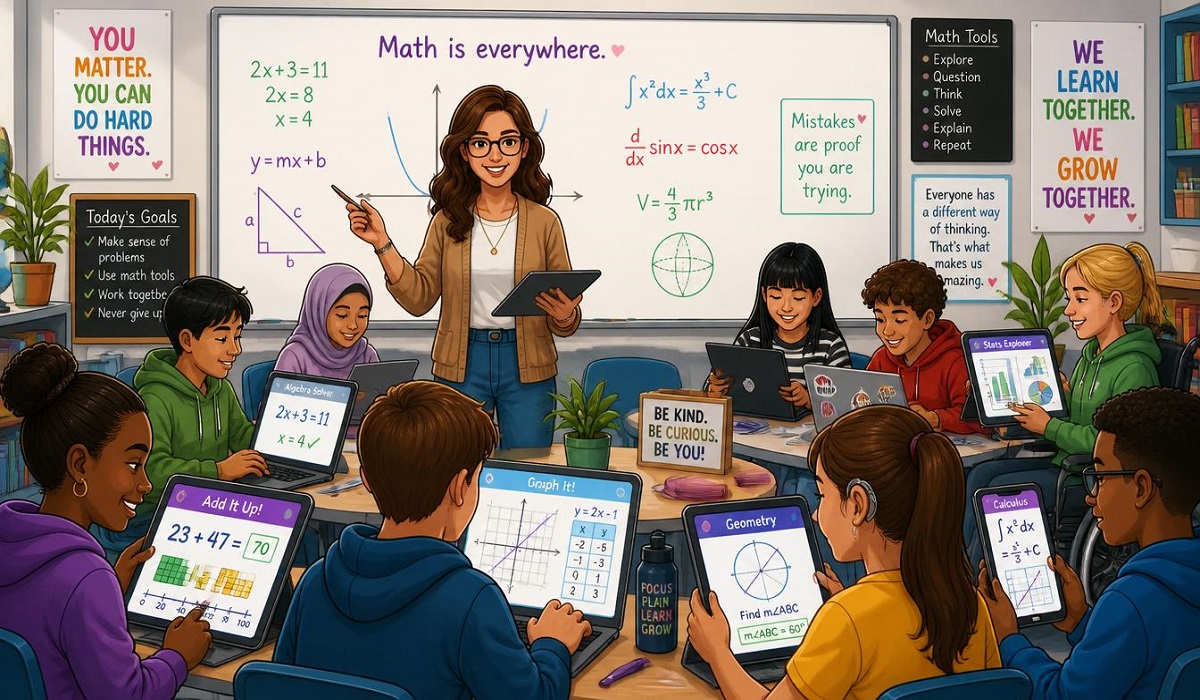
The real-world implementation of pragmatism in education is known as progressivism. “Learning by doing” is the key. You won’t find pupils merely sitting and listening in a progressivist classroom. They’ll be actively involved.

Learning by doing is emphasized by progressivism. Students actively participate in group projects, problem-solving, and practical exercises. “Teachers encourage students to think critically and become lifelong learners by connecting lessons to their interests and real-world experiences.” Rather than merely lecturing, the instructor serves as a guide.

Projects that link several areas are frequently included in the curriculum. For instance, students might reenact a historical event to learn about history. By creating a garden, they may learn math. Teachers aim to develop pupils who can think independently and become decent citizens..

Reconstructionism: Transforming the World

Reconstructionism takes things a step farther. This way of thinking focuses on utilizing education to address societal issues. “Reconstructionism focuses on using education to address social problems and improve society. “This philosophy encourages students to think critically about current issues, explore different viewpoints, and develop solutions to real-world challenges.”

In 2026, this concept is quite prevalent. Climate change, inequality, and political strife are just a few of the major issues facing the globe today. According to reconstructionists, schools ought to provide pupils with the skills necessary to address these issues.

Students may be challenged to create a plan to lessen pollution in their neighborhood in a reconstructionist classroom. They may research current affairs and consider ways to create a more equitable world. Fairness, justice, and global responsibility are topics that are frequently discussed in the classroom.

Existentialism: Discovering Your Own Identity

Another type of student-centered philosophy is existentialism. It has nothing to do with the group or society. It all comes down to the person. “Existentialism centers on individual choice and personal growth. It encourages students to explore who they are, what they believe, and how they want to live their lives. Learning is often self-directed, and teachers support students in making meaningful decisions about their education” .

Students enjoy a great deal of freedom in an existentialist classroom. They may be given the freedom to select the subjects they wish to study. It is the teacher’s responsibility to assist them in reflecting on their life and making wise decisions. Philosophy, literature, and art are crucial topics because they enable students to pose significant questions about themselves.

Summary of the Student-Centered Approach

You will observe in these classrooms:

  • Students learn from one another when working in groups.
  • Projects: Students use what they’ve learned to complete practical tasks.
  • Choice: Students have a voice in what and how they study.
  • Discussion: Students are invited to offer their ideas.

These concepts are centered on developing lifelong learners and involved citizens. They teach pupils to be adaptable, innovative, and socially aware.

The Third Category: Society-Centered Approaches

Some instructors conceive about schooling another way. They see it as a tool for the community. We refer to this as a society-centered approach. It extends beyond specific pupils.

This method is frequently employed to teach about national, local, or international issues. A teacher could design a lesson on voting procedures, for instance. Students may also be asked to volunteer in the community.

This strategy is related to Reconstructionism, which we have previously discussed. The group and the common good are prioritized. Teaching pupils to be responsible members of society is the goal.

How to Select Your Own Philosophy?

Typically, educators don’t choose a single philosophy. The majority are “eclectic,” which means they incorporate concepts from numerous philosophies to produce a distinctive look. You are also capable of doing this.

An excellent illustration of how this operates is provided by an education platform, which describes a process in which aspiring educators are given “idea cards.” They select concepts from various philosophies that they find appealing. After placing the cards in a “shopping bag,” they collaborate with others to exchange ideas and develop their own philosophies. The goal is to “Select ideas from each of the three approaches, the philosophies and the educational theories that would suit student teachers’ individual philosophies”.

This “eclectic” approach is the most common way teachers work today.

There is no “right” philosophy. The best one depends on your students, your school, and your own beliefs. A good teacher knows when to be the boss and when to be a guide.

Here is a simple guide to help you think about your own philosophy:

  • Think about your students: Do they need structure and clear rules? Or are they ready for independence?
  • Think about your subject: Some subjects, like math, benefit from a traditional teacher-centered approach. Others, like art or social studies, often work well with a student-centered approach.
  • Think about your goals: Do you want to teach students “the basics” to prepare them for a job? Or do you want to create creative thinkers who can change the world?

The Latest in 2026

In 2026, the conversation around educational philosophy is more alive than ever. The way we view education is being shaped by a few major trends.

The Rise of Reconstructionism

As the world faces pressing challenges, reconstructionism is getting more and more attention. Educators are being asked: “How can we use schools to fight climate change, inequality, and social divisions?”

This has led to new teaching methods that focus on civic engagement. Students are not just learning about problems. They are actively working on solutions. This is part of what some scholars call a “reconstructionist praxis.” This is a fancy way of saying that philosophy must be active and involved in the real world .

Beyond the Human: Posthumanism and the Environment

One of the biggest shifts in 2026 is a new focus on the environment. This comes from a movement called “posthumanism.” Posthumanism asks us to think beyond just people.

Education has traditionally been very “anthropocentric.” This means it has focused only on humans. The goal was to make humans smarter and better.

But now, thinkers are asking: “What about the world around us?” They argue that education affects not just people, but the planet itself. A new understanding of education must account for its impact on nature. They argue for “a more situated and ecologically responsive theory—one that accounts for the material and more-than-human consequences of educational practice” .

This might mean teaching students to think about the environment in every subject. It’s a big change from the old ways.

Philosophy is More Important Than Ever

For a long time, some people thought philosophy was “useless.” They wanted education to be practical and focused on job training. But there is a big pushback against this idea in 2026.

Philosophy of education is now seen as essential to philosophy itself . You cannot have good thinking without good education. Good philosophy depends on “habits of reasoning, dialogue, open-mindedness, and critical engagement” . These are things that must be taught.

This means that studying educational philosophy is not an extra thing to do. It is the most important thing to do, it helps teachers and leaders make good decisions. It helps them understand what kind of world they want to create.

Conclusion: What’s Your Story?

The theory of educational philosophy might seem like a dry topic, but it is actually the story of who we are and who we want to be. It is about the next generation.

When you understand these philosophies, you can see the “why” behind every school rule, every lesson plan, and every teaching style.

1: Are you an Essentialist? You value knowledge, discipline, and the basics. You want students to master the core skills they need to succeed.

2: Are you a Progressivist? You believe in hands-on learning, critical thinking, and making school relevant to real life.

3: Are you a Reconstructionist? You want to use education to make the world a better place. You care about social justice, sustainability, and student empowerment.

4: Are you an Existentialist? You value the individual and believe each student has a unique path.

You might be a mix of all these things. That’s okay. Great teachers are flexible.

As we move through 2026 and beyond, the world is changing fast. Artificial intelligence is changing how we work. Climate change is forcing us to think differently. The way we educate our children must change too.

Educational philosophy gives us the tools to think about these changes. It helps us ask the right questions. It helps us make sure that schools are not just factories for workers but are places where humans can grow, learn, and find their purpose.

FAQs, or frequently asked questions

Q: What is the main point of having a philosophy of education?

A: Having a philosophy helps teachers understand their values and ensure they are positive ones they want to share with their students. It enables teachers to more easily reflect on, and analyze, their decisions and actions . It gives them a clear purpose and a guide for their practice.

Q: Can I be a good teacher without knowing philosophy?

A: Yes! Many great teachers don’t know the fancy terms. However, every teacher still has a personal philosophy. It’s what guides their decisions. By studying the theory, teachers can be more intentional and effective. It helps them understand why they do what they do.

Q: Which philosophy is the “best”?

A: There is no single “best” philosophy. The best approach often depends on the students, the subject, and the community. Many teachers use a “eclectic” approach, which means they mix and match ideas from different philosophies to best serve their students .

Q: How is educational philosophy different from teaching methods?

A: It’s helpful to think of them in layers. Your philosophy is your deep-rooted belief about education. It is your “why.” Your teaching methods are the specific strategies you use to bring that philosophy to life, like using lectures or group work.

Q: How does philosophy impact students in 2026?

A: It impacts everything. Philosophy decides what is taught, how it is taught, and how students are treated. For example, a teacher with a progressivist philosophy will run a project-based classroom. A teacher with an essentialist philosophy will focus on direct instruction and tests. This shapes the student’s learning experience and their view of the world.

Synopsis

The theory of educational philosophy is the foundation of all teaching and learning. This article has explored its main branches, showing that philosophies generally fall into teacher-centered categories (like Essentialism, Perennialism, and Idealism) and student-centered categories (like Progressivism, Reconstructionism, and Existentialism).

In 2026, we are seeing a renewed focus on reconstructionism and a new push to consider posthumanism and environmental issues in education. While teachers often use a mix of philosophies, understanding these frameworks helps educators be more purposeful. It is a crucial tool for creating the schools and the future that we want.

Join WhatsApp

Join Now

Join Telegram

Join Now

Leave a Comment