Competency Based Model of Teacher
Competency Based Model of Teacher: The world is changing fast. Think about how we did things just ten years ago. We used different phones, watched different shows, and even went to school differently. For many of us, school meant sitting in rows, listening to a teacher talk, and memorizing facts to pass a test. That was the old way.
But that old way was built for a different world. It was built for a world where you could get a job and keep it for forty years, using the same set of skills. That world is gone. Today, we have information at our fingertips. We have jobs that didn’t exist a decade ago. And we have problems, like climate change and new technology, that require new ways of thinking.
This is why the way we teach is changing. We are moving from a system that focused on what students know to a system that focuses on what they can do. This is the heart of the Competency Based Model of Teacher.
This isn’t just a fancy term for educators. It’s a complete shift in how we think about learning and how we prepare our teachers for the classroom. This guide is for everyone: the new teacher, the parent, or just someone who cares about the future of education. We will explain the Competency Based Model of Teacher in simple terms, look at why it’s so important, and explore the real-life challenges and successes of making it work.
What is the Competency Based Model of Teacher? (A Simple Explanation)
Let’s break it down.
Competency means being able to do something well. It’s the skill, knowledge, and attitude you need to be successful at a task. In teaching, a competency could be “managing a classroom so all students can learn” or “creating a lesson that challenges every student in the room.”
The Competency Based Model of Teacher is a way of training and evaluating teachers. Instead of just checking a box that says “took a class on teaching math,” this model asks, “Can you actually teach math so kids understand it?”
Old School vs. New School
To make it clear, let’s compare the two systems.
| Traditional Teacher Training | Competency Based Teacher Model |
|---|---|
| Focus: What you know. | Focus: What you can do. |
| Goal: Pass a course. | Goal: Show you have the skills. |
| Evaluation: Written tests and essays. | Evaluation: Classroom observation, student work, and practical projects. |
| Time: You spend a set amount of time in a class (e.g., one semester). | Time: You can move at your own pace. If you learn a skill quickly, you can move on. If you need more help, you can take extra time. |
| Mindset: Learning is like a pipeline—information goes one way from teacher to student. | Mindset: Learning is like a lab. Students are active and solve problems. |
In the old system, a teacher might pass a test on chemistry but struggle to make a chemistry experiment interesting for teenagers. In the Competency Based Model, that teacher would need to prove they can run a lab safely and help students understand the “why” behind the experiment.
This model is built on a simple but powerful idea: The true measure of a teacher is the success of their students. If a teacher is teaching, but the students aren’t learning, then something is wrong. This isn’t about blaming teachers. It’s about making sure we give teachers the right training and support to be as effective as possible.
The Teacher’s New Job: Why this Model is Necessary Now
The shift to the Competency Based Model of Teacher is a direct response to changes in the world and how we learn. Today’s students are digital natives. They are used to finding information instantly. They are used to interacting with screens and games. The old “lecture and listen” model doesn’t work for them anymore.
From “Sage on the Stage” to “Guide on the Side”
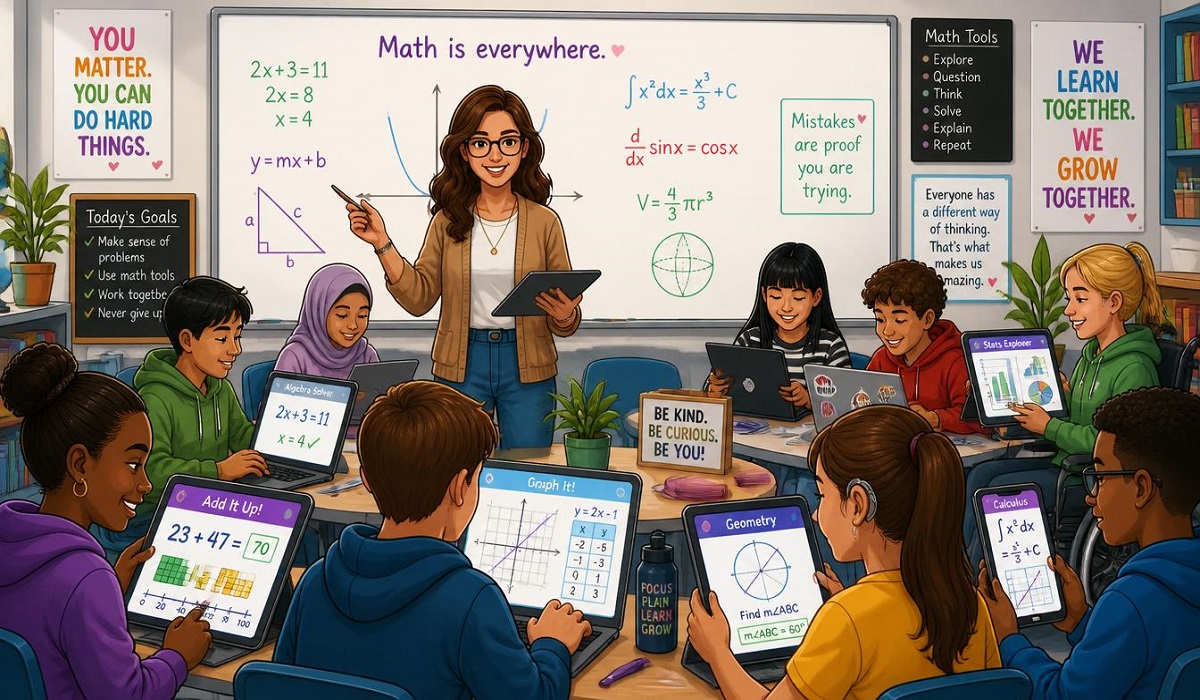
The Competency Based Model of Teacher turns the classroom upside down—in a good way. The teacher is no longer the person with all the answers who speaks from the front of the room. Instead, the teacher is a “facilitator” of learning. Their new job is to:
- Design Learning Activities: Create projects, experiments, and group work where students learn by doing.
- Guide Students: Move around the room, answer questions, and help students figure things out for themselves.
- Assess Progress Constantly: Check in on students all the time—not just with a final exam, but with discussions, observations, and quizzes. The goal is to see if a student needs extra help right away.
- Personalize Learning: This is the biggest challenge. In a traditional class, everyone learns at the same speed. In a competency-based classroom, students can work at their own pace. Some might breeze through a chapter on fractions. Others might need a few extra days.
This model demands a lot of a teacher. You can’t just read from a textbook. You have to be on your feet, paying attention to each student, and ready to adapt on the fly. This is why a Competency Based Teacher needs more than just subject knowledge. They need skills in psychology, technology, and communication.
The Big Skills: What Makes a Competency-Based Teacher?
So, what are the actual skills a teacher needs in this new model?
In the Competency Based Model of Teacher, we focus on four main areas of competence.
1. Teaching Skills: How to Teach
This is the “craft” of teaching.
- Lesson Planning: A teacher must be able to plan a lesson that is clear, has a goal, and most importantly, is engaging. This means moving away from worksheets and using hands-on activities.
- Classroom Management: This isn’t about being strict. It’s about creating a safe and respectful environment where students feel comfortable taking risks and asking questions. A well-managed classroom is a happy classroom.
- Instructional Strategies: This means knowing more than one way to teach. For example, using:
- Group work for teamwork.
- Inquiry-based learning: Letting students ask questions and find the answers.
- Project-based learning: Having students create a final product (a video, a model, a presentation) to show what they’ve learned.
- Assessment: This is a big change. In the old system, assessment was a quiz or a test at the end of the chapter. In the new model, assessment is continuous. It’s called “formative assessment.” The teacher constantly checks for understanding, just like a coach would during practice, so they can adjust the game plan before the big game.
2. Content Knowledge: What to Teach
A teacher still needs to know their subject. You can’t teach chemistry if you don’t know what an atom is.
- Deep Knowledge: The teacher needs to know their subject inside and out. They need to know how to explain a difficult concept in five different ways.
- Interdisciplinary Thinking: The old system kept subjects separate. The new model encourages connections. For example, when teaching about the stock market (math/social studies), you might ask students to write a persuasive essay on why they should invest their money (English).
3. Technology Skills: Tools for Teaching
We live in the 21st century. We need 21st-century tools.
- Digital Literacy: A teacher needs to be comfortable with technology. This could mean using a smartboard, finding reliable resources online, or using software to grade assignments.
- TPACK Framework: Research shows that the best teaching happens when you have the perfect triangle of: Technology, Pedagogy (teaching methods), and Content Knowledge. This is known as the TPACK framework.
- Example: Teaching a history lesson (Content) about the Civil War. Instead of just talking about it (Pedagogy), you could have students use a simple video editing tool (Technology) to create a short “news report” from the time.
- Online Learning: A teacher may need to manage a virtual classroom or use online platforms. The ability to use tools like Google Classroom or Zoom is a key competency.
4. Personal and Professional Skills: The Human Side
This is the “heart” of teaching. It’s the spark that makes a good teacher great.
- Empathy: Understanding the student’s struggles and frustrations. A teacher with empathy can help a student who is falling behind without making them feel bad.
- Communication: It’s not just about talking. It’s about listening. It’s about sending clear, kind, and honest messages to students, parents, and other teachers.
- Lifelong Learning: The Competency Based Model of Teacher is not something you “finish.” The world changes, so teachers must keep learning. They must be open to new ideas and willing to improve their own skills. As one researcher noted, “retooling has become a continuous necessity”.
- Collaboration: Teaching is a team sport. A teacher needs to be able to work well with other teachers, share ideas, and plan together.
The Reality Check: Challenges Facing the Competency-Based Model
The Competency Based Model of Teacher is a fantastic goal. It promises a better education for our kids. But getting there is not easy. As one study in Kenya found, “while teachers broadly understand the intentions of the CBC, comprehensive implementation… is inhibited by several factors”.
Here are some of the biggest roadblocks.
1. Old Training vs. New Reality
This is the number one problem. Most university graduate teachers were trained in the “old way.” They were taught how to lecture, how to make tests, and how to manage a quiet classroom.
Then they walk into a competency-based school and are told, “Don’t lecture. Make it a group activity. Assess constantly.” It’s like training to be a cook and then being asked to be a painter.
One Kenyan education writer noted that CBE is “significantly different from the way most teachers were trained”. This means teachers need “retooling.” They need new training. One article explains that many teachers “doubted their ability to implement it”. They may believe in the new model, but they feel unprepared. This “gap in teacher preparation” creates stress for teachers and poor results for students.
2. The Big Classroom Problem
The Competency Based Model of Teacher works best in small classes. Imagine you are a teacher trying to do one-on-one coaching for a student who is struggling. Now imagine you have 50 students. It’s almost impossible.
Large class sizes (often 40-60 students) make it hard to “facilitate group activities effectively, provide individualised feedback and manage continuous assessment as intended”.
3. More Work for Teachers
The new model is more work. It’s easier to give a test with 50 multiple-choice questions. It’s harder to grade 50 individual projects or read 50 essays.
Teachers must now track “each learner’s progress… over time”. This means keeping detailed records. This extra work often leads to burnout and fatigue. The article from Education News describes “time management” as a major burden on teachers, as they often have to take work home “into personal time”.
4. The Digital Divide
Technology is a key part of the Competency Based Model of Teacher. But many schools, especially in poor or rural areas, don’t have reliable internet, computers, or smartboards.
Some teachers have limited ICT (Information and Communication Technology) training or “limited infrastructure”. This creates a digital divide. Students in wealthy schools get a rich, technology-infused education. Students in poor schools are forced to stick to old, textbook methods.
5. Resistant Parents and Students
Change is hard for everyone. Many parents remember school as a place of memorization and tests. They don’t understand why their child is “just doing a project” instead of studying for an exam. They worry that their child will fall behind.
Making it Work: How to Succeed with Competency-Based Teaching
Despite the challenges, the Competency Based Model of Teacher is spreading around the world because it works.
How can we make sure it succeeds?
1. Better Teacher Training
As we saw in Kenya, teachers often have a positive attitude about the model, but they lack the skills. A study in Makindu Sub-County found “teachers were not well conversant with the CBC system of education” and “were not well prepared to implement CBC”.
To fix this, we need Continuous Professional Development (CPD) . A one-day workshop isn’t enough. We need ongoing training, coaching, and support. As one research report highlights, we need to “prioritize professional development programs to enhance digital literacy skills… and platforms that align with the objectives”.
2. Reduce the Burden
School administrators need to understand that a competency-based classroom is a high-effort environment.
- Reduce Administrative Paperwork: Give teachers time to plan and grade.
- Smaller Class Sizes: This is the most expensive solution, but it is the most effective. A smaller class allows a teacher to actually implement the model.
- Provide Resources: Teachers shouldn’t have to pay for classroom supplies out of their own pockets.
3. Bring Parents Along
Education is a partnership between the school and the home. Parents need to understand why the model is changing.
Schools should host workshops for parents. Instead of just talking about it, they could run a mini “competency-based” session for parents. Let them experience a project-based activity. As one source notes, we need to “raise parents’ awareness and voices”.
4. Use a “Multiple Measures” Approach
One of the big debates in the Competency Based Model of Teacher is how to test if a teacher is “competent.” A single test or a single observation isn’t fair.
Experts suggest using a “Multiple Measure Model”. This means evaluating a teacher using many different methods:
- Classroom Observations: A principal or coach watches a teacher.
- Student Work Samples: Looking at the work students have produced.
- Student Feedback: Asking students about the class.
- Peer Reviews: Having another teacher provide feedback.
- Teacher’s Own Reflections: Asking the teacher to explain their choices and plans.
A study in Tanzania found that there is a “positive perception” of competency-based assessments among teachers, but it added that staff “lacked detailed information” on how to do it correctly. This is why a “multiple measures” approach is important; it gives a more complete picture of a teacher’s abilities.
FAQs About the Competency Based Model of Teacher
1. Is the Competency Based Model of Teacher just a fad?
No. It is a response to a real problem: our education system is outdated and doesn’t prepare kids for the modern world. This model is based on research and is being adopted by governments around the world, like Kenya and Tanzania, as a permanent solution.
2. Does this mean teachers don’t need to know their subject?
Absolutely not! Content knowledge is still important, but it’s not enough. A teacher must also know how to teach that subject so that all students understand it. In the Competency Based Model, “knowledge will include subject matter and education theory”.
3. How do you test a teacher’s competency?
You don’t use one test. You use a “multiple measures” approach. This could include classroom observations, student work, student and parent feedback, and the teacher’s own lesson plans and reflections. The goal is to see the full picture of their ability.
4. What are micro-credentials?
Micro-credentials are like “mini-degrees.” A teacher gets one for showing they are good at a specific skill, like “Teaching Math with Technology” or “Managing a Project-Based Classroom.” They are a way for teachers to prove their competency in a specific area. They also promote “reflective teaching”.
5. What happens if a teacher fails to show competency?
The goal is to support teachers, not punish them. If a teacher is struggling, they should be given extra training and mentoring. The system is designed to help teachers improve. The Competency Based Model of Teacher recognizes that “teaching performance is a complex of knowledge and teaching skills extending over a long period of time”.
Summary
The Competency Based Model of Teacher is reshaping the world of education. It moves away from the old model of memorizing facts toward a system where teachers are facilitators who help students develop the skills they need for life. The primary goal is to ensure that a teacher’s training directly translates to student success. It focuses on “public (observable) performance… assessed against declared criteria”. This means that teachers must show they can create engaging lessons, use technology effectively, and support each student’s unique learning journey.
However, the path to this new model is not without its obstacles. Many teachers, though supportive of the vision, feel unprepared. Studies show that significant gaps in teacher preparation, lack of resources, and the burden of continuous assessment hinder implementation. The system requires a massive “retooling” of teacher training and better professional development.
Despite the challenges, the Competency Based Model of Teacher represents the future of education. It requires time, investment, and patience, but it is the key to building a generation of independent thinkers who can adapt, solve problems, and thrive. Ultimately, this model provides a “framework to assess how well the education system is creating opportunities for learners to develop a broad range of skills”