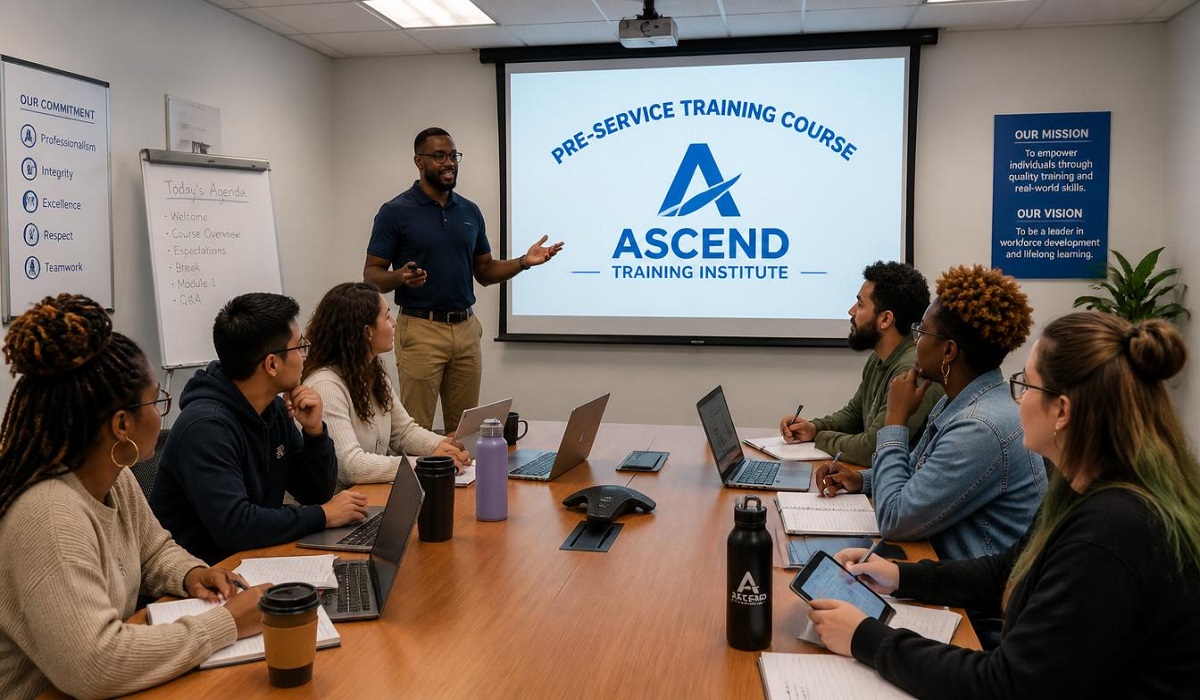
Pre-Service Training Course
Pre-Service Training Course: Imagine building a house. You wouldn’t just start hammering nails without a blueprint, right? You need a strong foundation, a plan, and the right tools before you can build anything that will last. The same is true for becoming a teacher.
That is exactly where a pre-service training course comes in. It is the blueprint and the foundation for an entire career in education. Think of it as a professional “boot camp” and a “passport” to the classroom. It is the training a person receives before they ever step into a classroom as the main teacher. This is where you learn not just what to teach, but more importantly, how to teach.
Across the world, from Pakistan to the United States, the quality of a country’s education system is directly linked to the quality of its teachers. And the quality of its teachers often starts with their initial preparation. This initial training is the starting point for a teacher’s professional development, setting the stage for a lifetime of learning and growth . This article will break down everything you need to know about this critical first step, showing why it matters and how it works to build better teachers and better schools.
What Exactly is a Pre-Service Training Course?
Defining the Key Terms
Let’s be clear from the beginning. “Pre-service” simply means the time before you start your service as a teacher. It’s the period when you are a “pre-service teacher” or a student teacher. Therefore, a pre-service training course is a structured program of study and practical experience designed to prepare you for your first teaching job. It is the official entry point into the teaching profession.
The Core Purpose of Pre-Service Training
The main goal of this training is to take someone who knows a subject and transform them into someone who can effectively teach that subject to others. It is more than just learning about theories. It is about developing a whole new set of skills. This includes:
Understanding Pedagogy: The art and science of teaching. This means learning the best methods for teaching different subjects and different age groups.
Classroom Management: Keeping a class of 30 or more students focused, engaged, and on task is a superpower. This is where you learn it.
Planning Lessons: Good lessons don’t just happen. They are meticulously planned with clear goals and engaging activities.
Understanding Child Development: Learning how children grow, think, and learn at different ages is crucial for meeting their needs.
The Building Blocks of a Pre-Service Program
Most pre-service training courses are a mix of theory and practice. They are designed to be comprehensive, ensuring that a new teacher is as “classroom-ready” as possible. Let’s look at the common components:
- The Theoretical Foundation: Learning the “Why”
You cannot be a good teacher if you don’t understand the principles behind effective teaching. This part of the course involves university or college coursework and covers core subjects . This is where you answer the “why” questions:
Why do some teaching methods work better than others?
Why is it important to understand psychology and child development?
Key areas of study often include educational psychology, learning theories, curriculum development, and assessment strategies .
- The Practical Experience: Learning the “How”
This is where the theory comes to life. You can’t learn to teach from reading about it. It’s a skill you need to practice. Thus, field experience is a very important aspect of any pre-service program.
A. Student Teaching Experience
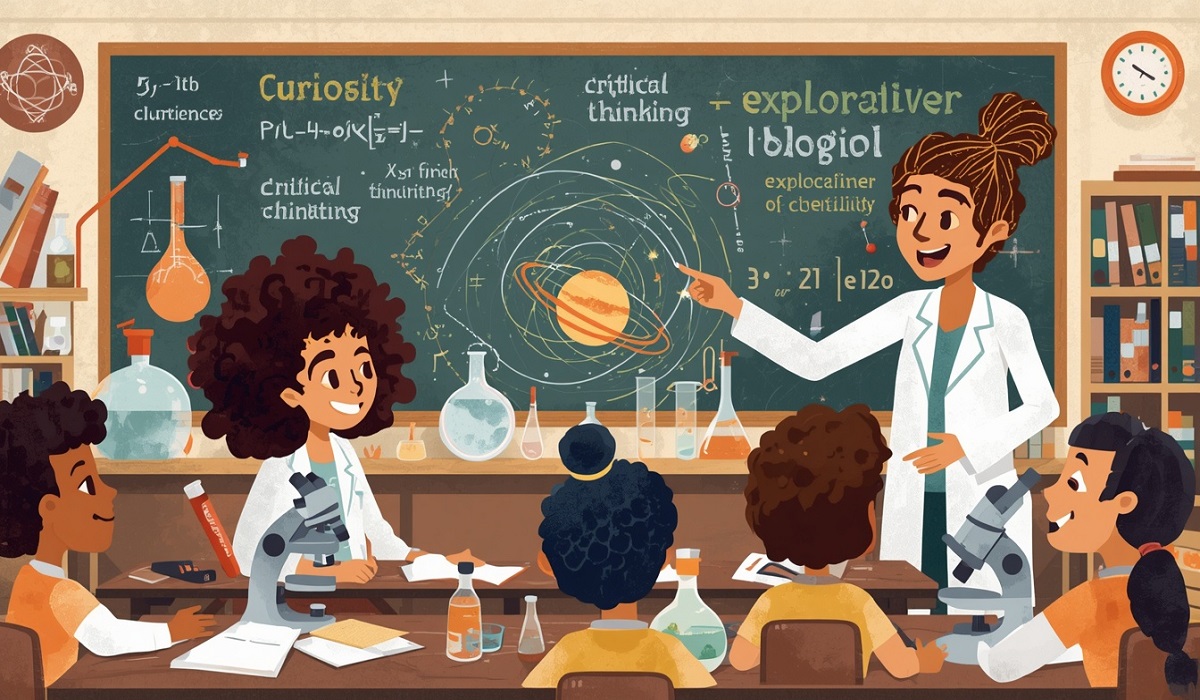
This is often the capstone of the preservice program. It’s where you go into a real classroom and you have a mentor teacher. You watch first, then you assist the teacher, then you teach yourself. It’s a hard but rewarding experience where you get to put everything you’ve learned into practice.
B. Coaching and Mentoring
You are not alone in your student teaching. You have a mentor, an experienced teacher who is there for you, gives you feedback and helps you grow. It’s a form of coaching where a mentor will offer support and constructive criticism to help you become a better teacher. According to one report, having a dedicated mentor is “invaluable” for a new teacher in gaining control of a class and developing confidence .
- Establishing Your Professional Identity
The pre-service training course is also a time of personal growth. Then you start to think of yourself not only as a student, but as a professional teacher. This is about reflecting on your own beliefs about education and the kind of teacher you aspire to become.
It is also the time when future teachers develop a sense of belonging to a community of educators, which is a crucial factor in staying in the profession long-term.
Bridging the Gap Theory to Practice
One of the biggest challenges in teacher education has always been the “theory-practice gap”. It is the difference between what you learn in a university classroom and what actually happens in a real school.
For example, a textbook might explain the perfect way to run a classroom, but it can’t prepare you for the unexpected events of a normal school day.
Why This Gap Is There?
Ideal vs. Reality: University courses often present an ideal picture of teaching, and the reality can be messy and unpredictable.
Different Environments: The classroom you read about and the classroom you are placed in may be very different in resources, student needs, and school culture.
How Modern Programs are Correcting It
Today’s best pre-service programs are designed to fill this gap better. This is achieved by:
Integration of Theory and Practice: They do not separate theory and practice, but rather integrate the practice throughout the program.
Partnering with local schools Many programs now have strong partnerships with local schools. This ensures that what is taught in the university is relevant to what is happening in the schools.
Emphasis on reflective practice – students are encouraged to reflect on their own teaching regularly, to analyze what worked and what didn’t, and to make adjustments accordingly. It is an essential skill for professional development.
Application of Research: Current programs emphasize the vital skill of learning how to use research to make instructional decisions. This evidence-based approach helps teachers decide which methods have been shown to work .
The Relationship between Pre-Service and Continuous Professional Development CPD
A pre-service training course is not a destination, but a beginning. Just as a doctor must keep learning to stay up to date, a teacher must grow and learn throughout their career. This is known as Continuous Professional Development or CPD.
Why CPD is Important
The world is a changing place and so is the classroom. A teacher must adapt to new research, new technology, and new student needs. CPD is the process of developing and upgrading your skills, once you have started teaching . It is the second chapter of a professional teacher’s journey.
A Pathway Through Pre-Service
The pre-service training course equips a teacher with the tools to start his/her career but more importantly it develops the habit of lifelong learning. The course teaches you how to learn, how to reflect and how to find answers. This helps a teacher on their CPD journey to success.
Setting the Framework for Career Advancement
Think about it like a career ladder, as an example. In many places there are formalized training requirements that a teacher must fulfill to be promoted to a higher rank or leadership position. These requirements usually begin with pre-service training and continue with CPD hours. CPD is what lets you climb the ladder, the first course is what gets you your foot in the door.
In Hong Kong for example, the government has established a “Professional Ladder for Teachers” and new teachers (those who have completed their pre-service training) must undergo a structured training programme in the first few years. This shows the never ending journey of professional development.
International Perspectives on Pre-Service and CPD
It’s interesting to see how other countries do this.” All over the world, there is consensus that good teachers are the key to a good education system.
High-Performing Countries High-performing countries like Denmark and Norway typically have a strong pre-service training and robust CPD programs. This indicates a robust association between teacher training investments and student outcomes.
The Pakistani Context Teacher Education in Pakistan is a reform agenda. Organizations like the Provincial Institute of Teacher Education (PITE) in Sindh are trying to supervise and upgrade pre-service courses to better prepare future teachers for the 21st century.
The Role of Online Training The COVID-19 pandemic has accelerated the use of online training for teachers. For example, research from Bangladesh found that online pre-service and in-service training can be effective, especially when combined with support or incentives. “This is opening up new ways of making quality training more readily available.”
Challenges and Future of Pre-Service Training
To be sure, there is no perfection. There are several challenges for pre-service teacher education:
- Staying on top of things
The world of education is evolving fast. Pre-service programs should be updated regularly to include new technology, new educational research, and changing needs of students. - Finding Quality Mentors
Not every student-teacher placement is the same. – The quality of mentorship is key. The pre-service teacher may find it difficult to work with a mentor who is poorly trained or not supportive . - Combat Teacher Burnout
Teaching is a stressful profession and many new teachers leave the profession within their first few years. A strong pre-service program can help by providing a realistic view of the profession and building resilience. - Enhancing the Effectiveness of Training
Traditional “one size fits all” workshops often fail. The future of professional development, from pre-service level, is heading towards more personalised, collaborative and ongoing models of learning, often based on co-construction between teachers.
Conclusion: Building a Successful Career
In simple words, a pre-service training course is the base on which a teacher’s professional life is based. It’s where future teachers learn the knowledge, skills and attitudes they’ll need to be successful. It’s the necessary “boot camp” that prepares a person for the demanding, yet highly rewarding, career of teaching.
The course gives you the first skills and starts you on the way to becoming a reflective practitioner, a teacher who is always learning and growing. This is the basis for a career of continuous professional development, which is the path that makes a good teacher great.
Investing in high quality pre-service training is investing in the future of our children and our society. For after all, a teacher can shape the next generation and that power can be best exercised when it is backed by strong and effective preparation.
Frequently Asked Questions
What is the primary purpose of a pre-service training course?
The primary goal is to train people to be effective teachers. This means that they will be equipped with the pedagogical knowledge, practical classroom skills and professional values needed before they start their first teaching job. It is a bridge between the subject matter expert and the educator.
How long is a regular pre-service training course?
How long it lasts depends. One common route is the two-year Associate Degree in Education (A.D.E.), but a full four-year bachelor’s degree in education is another. The duration is often country specific and also varies according to the qualification being pursued .
Difference between pre-service and in-service training?
Pre-service training is the training a teacher receives before the teacher begins his/her career. In-service training or CPD (Continuing Professional Development) is training that is offered to teachers after they have started working, in an effort to update and improve their skills.
What makes a mentor so important in pre-service training?
The mentor coaches and mentors the student teacher. They offer support, constructive criticism, and practical advice, based on their own experience in the classroom. This relationship is essential to helping a pre-service teacher build their confidence and develop their skills.
Is the pre-service training the same everywhere?
No. The content and structure can vary widely from country to country and even institution to institution. However, there is a universal understanding that high quality pre-service training is a prerequisite to effective teachers and improved student outcomes .
Overview
The article pointed out the value of the pre-service training course as the starting point for teachers’ professional development. We have thought about what the course involves, such as the theoretical learning and practical student teaching, and how this links to continued growth through CPD.
This initial training highlights the value of investing in teachers from the beginning. A strong foundation based on pre-service training makes teachers more competent, confident and resilient in the long run. This is not only beneficial to them, but also has a deep and lasting positive impact on the students they teach. The journey of a great teacher begins with one well-planned step: their pre-service training.