Script Theory
Script Theory: Have you ever walked into your school cafeteria and known exactly what to do without thinking? You grab a tray, stand in line, pick your food, pay, and find a seat. It feels natural, right? That’s because your brain is using something called a script.
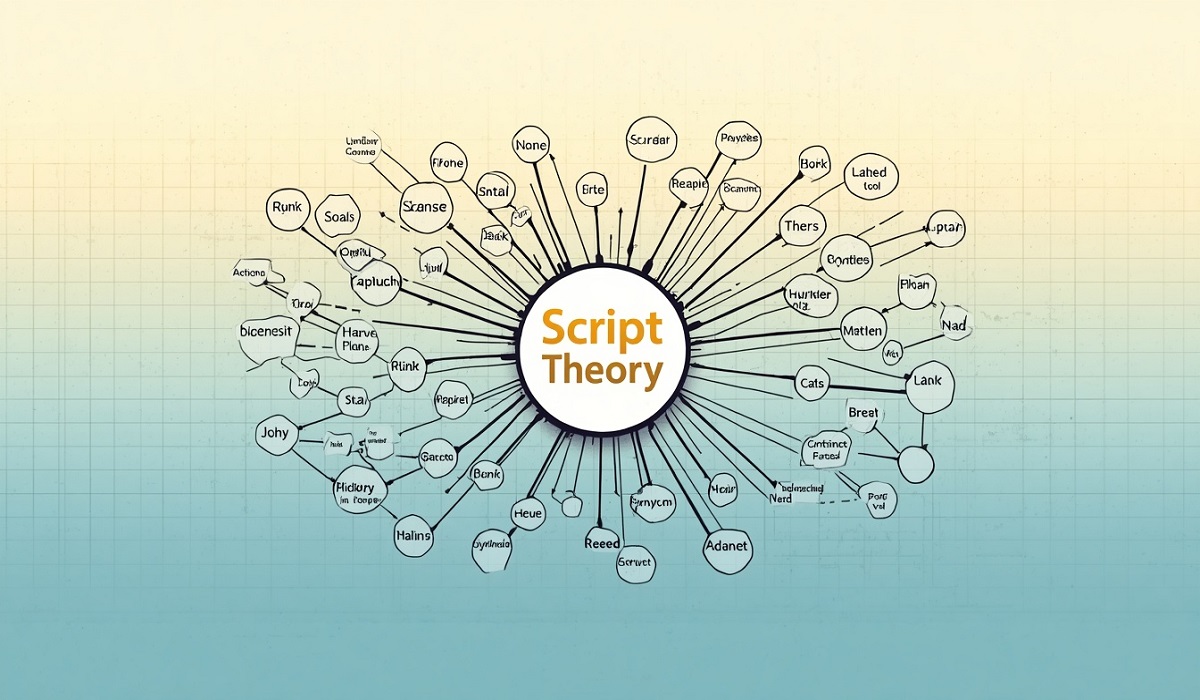
Script theory helps us understand these mental shortcuts. It says our minds store common experiences as step-by-step “scripts” just like a movie or play script. These scripts help us move through daily life quickly and without much effort.
In this long post, we’ll explore what an example of script theory looks like in real life. We’ll use simple words so even an 8th grader can follow along. You’ll see how scripts work, where they come from, and why they matter. By the end, you’ll spot scripts everywhere in your own day.
What Exactly Is Script Theory?
Script theory comes from smart thinkers in psychology and computer science. Two important names are Roger Schank and Robert Abelson. They noticed that people don’t make fresh decisions for every little thing. Instead, we remember patterns from past experiences.
A script is a mental plan for a familiar situation. It includes:
- The usual steps (sequence)
- The people or “actors” involved
- The objects or “props” you need
- What usually happens next
Think of it like a recipe for behavior. You don’t need to invent how to bake cookies every time if you have the recipe saved in your head.
Scripts help our brains save energy. Without them, simple things like buying milk at the store would feel overwhelming.
A Classic Example of Script Theory: The Restaurant Script
One of the most famous examples of script theory is the restaurant script. Let’s walk through it slowly.
- You enter the restaurant.
- You wait to be seated or find a table.
- A server brings menus.
- You read the menu and choose food.
- You order drinks and food.
- You eat your meal.
- You ask for the bill.
- You pay and leave a tip.
- You exit the restaurant.
This sequence feels normal because most of us have done it many times. If something breaks the script — like no server coming for a long time — we notice right away and feel confused or annoyed.
This restaurant example shows a “strong” script. The steps usually happen in the same order. Other scripts can be “weaker,” meaning the order is more flexible.
How Scripts Form in Our Minds?
Scripts don’t appear magically. They build up through repetition.
- First time: You pay close attention. Everything feels new.
- Next times: You start remembering the pattern.
- Many times later: The script runs automatically.
Kids build scripts fast. A child learns the “bedtime script” quickly: brush teeth, put on pajamas, read a story, lights out, goodnight kiss.
Parents have scripts too. The morning routine script might include waking kids, making breakfast, packing lunches, and rushing out the door.
Life experiences shape our personal scripts. Someone who grew up in a big city might have a different “public transportation script” than someone from a small town.
More Real-Life Examples of Script Theory
Let’s look at several examples of script theory to make it crystal clear.
The Doctor’s Visit Script
- Make an appointment
- Arrive early and check in
- Sit in the waiting room
- Nurse calls your name
- Answer health questions
- Doctor examines you
- Get instructions or medicine
- Pay or schedule next visit
If the doctor jumps straight to giving medicine without questions, it feels wrong because it breaks the script.
The Grocery Store Script
- Grab a cart or basket
- Walk through aisles picking items
- Check prices and freshness
- Go to checkout
- Pay and bag groceries
- Load car and go home
During busy holidays, the script might change slightly, but the core stays the same.
The First Day of School Script
- Wake up early
- Get dressed in new clothes
- Eat breakfast
- Pack backpack
- Meet friends or take bus
- Find classroom
- Listen to teacher introductions
New students feel nervous because they don’t have a strong script yet for the new school.
The Birthday Party Script (Weaker Script)
This one is more flexible:
- Guests arrive
- Play games
- Eat cake
- Open presents
- Say thank you and goodbye
The order can change, but certain parts usually happen.
The Job Interview Script
- Research the company
- Dress nicely
- Arrive on time
- Shake hands and introduce yourself
- Answer questions about experience
- Ask your own questions
- Send thank-you email later
Knowing this script helps people prepare better and feel less anxious.
Scripts in School and Learning
Teachers use ideas from script theory without always knowing the name. When you learn a science experiment, your teacher helps you build a “lab procedure script.”
Reading stories also builds scripts. Fairy tales teach social scripts about helping others or being brave.
In group projects, students follow a collaboration script: plan together, divide tasks, meet deadlines, present results.
Understanding scripts can make learning easier. If you struggle with a new subject, try creating a step-by-step script for solving problems in that area.
Scripts in Technology and Artificial Intelligence
Computers use script ideas too! Early AI researchers like Schank wanted machines to understand stories and conversations better. By giving computers scripts, they could predict what might happen next.
Today, voice assistants like Siri follow scripts for common requests. “Play music” triggers a sequence: understand request, search library, start playing.
Self-driving cars use complex scripts for driving situations like stopping at lights or merging lanes.
How Scripts Help and Sometimes Hurt Us?
Good things about scripts:
- Save mental energy for important decisions
- Make social situations smoother
- Help us learn new things faster
- Create shared understanding in groups
Possible problems:
- We might miss new opportunities if we stick too rigidly to old scripts
- Cultural differences can cause confusion (one culture’s greeting script differs from another’s)
- Bad habits can become strong scripts that are hard to change
For example, someone with a shopping script that always includes buying junk food might need to rewrite parts of it for healthier eating.
Changing Your Own Scripts
The great news? You can update your scripts!
- Notice the current script.
- Identify which parts work and which don’t.
- Practice new steps repeatedly.
- Be patient — new scripts take time to feel natural.
Want to become better at public speaking? Create and practice a “presentation script” with clear steps: prepare slides, practice out loud, use notes wisely, engage audience, end strongly.
Parents can help kids build positive scripts by being consistent with routines.
Script Theory in Different Cultures
Scripts vary around the world. Eating dinner in some cultures is a long, social event with many courses. In others, it’s quicker and more casual.
Traveling teaches us new scripts fast. You learn how to use public transport in a new country or how to bargain at markets.
This is why studying abroad or trying new experiences is so valuable — it expands your mental library of scripts.
Scripts in Relationships and Social Life
Friendship scripts include greeting, chatting, sharing activities, and supporting each other.
Dating scripts have changed over time but often include meeting, talking, going out, and deciding next steps.
Family holiday scripts bring comfort but can also cause stress if expectations don’t match reality.
Understanding these helps us communicate better and show empathy when others follow different scripts.
Scripts and Memory
Why do we remember certain things? Scripts help organize memories. When something unusual happens, it stands out because it violates the expected script.
This is why stories with twists are memorable. They break our usual mental patterns in interesting ways.
Researchers found that people recall script-related details easily but might add missing steps from their mental script even if they didn’t actually happen.
Everyday Tips for Using Script Theory
- For students: Create study scripts. Example: review notes → make flashcards → practice problems → test yourself.
- For parents: Build consistent morning and bedtime scripts to reduce arguments.
- For teachers: Use predictable routines so students feel secure and focused on learning.
- For everyone: When facing anxiety, break big events into small script steps.
Try writing your own “school day script” today. It might reveal areas where you can improve.
Deeper Look: Scenes Within Scripts
Scripts break into smaller “scenes.” In the restaurant script:
- Entering scene
- Ordering scene
- Eating scene
- Paying scene
Each scene has its own mini-steps. This organization helps our brains handle complexity.
Script Theory vs Other Psychology Ideas
Scripts are a type of schema — bigger mental frameworks. But scripts focus more on sequences and actions.
Compared to habits, scripts are more conscious at first and involve social expectations.
Fun Experiments You Can Try
- Observe your own scripts for one day. Write them down.
- Notice when a script gets broken — how do you feel?
- Try changing one small part of a routine and see what happens.
- Ask family members about their scripts for the same activity.
These activities make the ideas real and memorable.
Applications in Modern Life
- In marketing, companies design customer journeys that match expected scripts for smooth experiences.
- In healthcare, clear scripts reduce patient anxiety.
- In sports, athletes practice performance scripts for focus under pressure.
Even video games use script-like structures for quests and levels.
Potential Drawbacks and Criticisms
- Some experts say script theory oversimplifies human behavior. Life isn’t always predictable, and creativity comes from breaking scripts.
- Others point out cultural bias in early research, which focused mainly on Western examples.
- Still, the core idea remains useful for understanding patterns in our lives.
Building Strong Positive Scripts for Success
Focus on these areas:
- Healthy eating script
- Exercise routine script
- Learning and growth script
- Money management script
- Relationship maintenance script
Small consistent actions build strong helpful scripts over time.
What an example of script theory shows us is that our brains are incredibly smart at creating efficiency. By understanding these mental blueprints, we gain power over our own behavior.
We can keep useful scripts, update outdated ones, and create new ones for the life we want.
Conclusion: Scripts Are Tools, Not Chains
Next time you automatically know what to do at the library, movie theater, or family dinner, smile and think: “That’s my script at work!”
The more aware you become, the more control you have. Start noticing scripts today, and watch how it changes your perspective on everyday life.
Summary
Script theory explains how we use mental step-by-step plans for common situations. The restaurant example is classic, but scripts exist for almost everything — school, shopping, relationships, and more. They save energy, reduce stress, and help us predict what comes next. While useful, we can and should update them when needed. Understanding what an example of script theory looks like empowers us to live more intentionally. Start observing your own daily scripts and see the difference it makes!
FAQs
1. What is a simple example of script theory?
A great example is the restaurant script: entering, ordering, eating, paying, and leaving. Your brain follows these steps automatically in familiar places.
2. Who created script theory?
Psychologists Roger Schank and Robert Abelson developed key ideas in the 1970s, building on earlier work about how minds organize knowledge.
3. Can I change my personal scripts?
Yes! By practicing new steps repeatedly, old patterns can be replaced with better ones, like healthier routines or improved study habits.
4. Are scripts the same for everyone?
No. They depend on culture, experiences, and personal background. That’s why traveling or meeting new people exposes us to different scripts.
5. How does script theory help in school?
It helps teachers create predictable routines and students build effective study sequences, making learning less overwhelming and more successful.