Education Policy Changed in Pakistan
Education Policy Changed in Pakistan: Imagine a Pakistan where every child knows how to write computer code, where university admissions are fair and based on a single national test, and where the government treats education like a national emergency. This might sound like a dream, but in 2026, it is becoming a reality. The Education Policy Changed in Pakistan in ways that will affect millions of students for years to come.
For decades, Pakistan’s education system has faced big challenges. Many children are out of school. The quality of learning is often low. There is a gap between what students learn and what the job market needs. It’s like preparing students for a world that no longer exists . But 2026 is different. The government has taken bold steps to fix these problems. These aren’t just small changes; they are major shifts that aim to rebuild the entire system from the ground up.
Whether you are a student, a parent, or someone who cares about Pakistan’s future, understanding these changes is important. This article will explain everything about the Education Policy Changed in Pakistan in 2026 using simple, easy-to-understand language. We will look at the new rules for schools, colleges, and universities. We will also discuss the challenges and what these changes mean for you.
The Big Picture: Why Pakistan Needed Change
Before we look at the new rules, we need to understand why we needed them. For a long time, Pakistan has faced an “education crisis.” There are over 20 million children who don’t go to school. Many children who do go to school don’t learn basic skills like reading and math. This is called “learning poverty” . The old system wasn’t working for everyone.
The government realized that if Pakistan wants to grow and compete with other countries, it needs a skilled and educated workforce. The world is becoming more digital. Jobs in technology, artificial intelligence (AI), and data science are growing fast. To get these jobs, students need new skills. The old curriculum was often outdated. It focused on memorizing facts instead of understanding concepts and developing critical thinking.
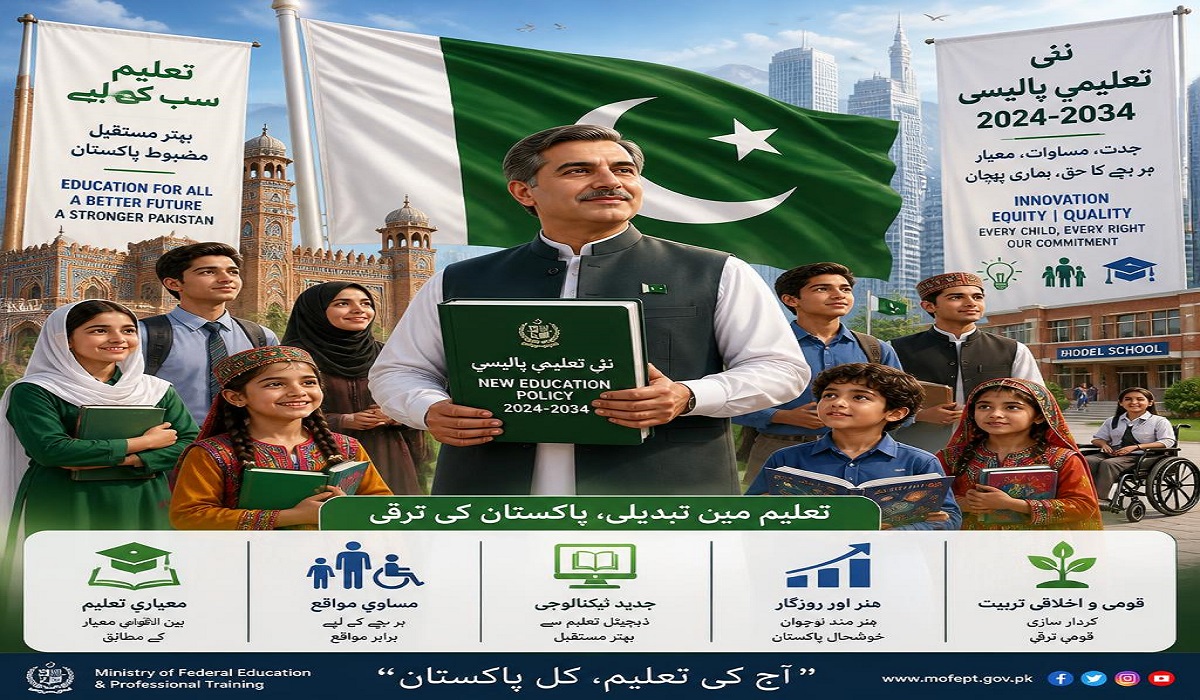
That’s why the Education Policy Changed in Pakistan in 2026. The goal is to create a modern, fair, and high-quality education system that prepares students for the future. The government calls this a “national emergency,” showing how serious they are about making it work .
Major Changes in School Education
Let’s start with what’s happening in schools. Several important changes have been made from elementary to high school level.
1. Coding and Computer Science Now Compulsory
One of the biggest news stories in 2026 is that the Senate passed the Free and Compulsory Education Amendment Bill 2026 . This is a big part of how the Education Policy Changed in Pakistan.
What does this law say?
It makes computer science, coding, and programming mandatory subjects for all students from elementary school to high school .
Why is this important?
This change recognizes that digital skills are essential for future jobs. Lawmakers believe that “digital literacy and programming skills were now essential for future generations” . The goal is to prepare students for the global job market where technology plays a central role.
What will students learn?
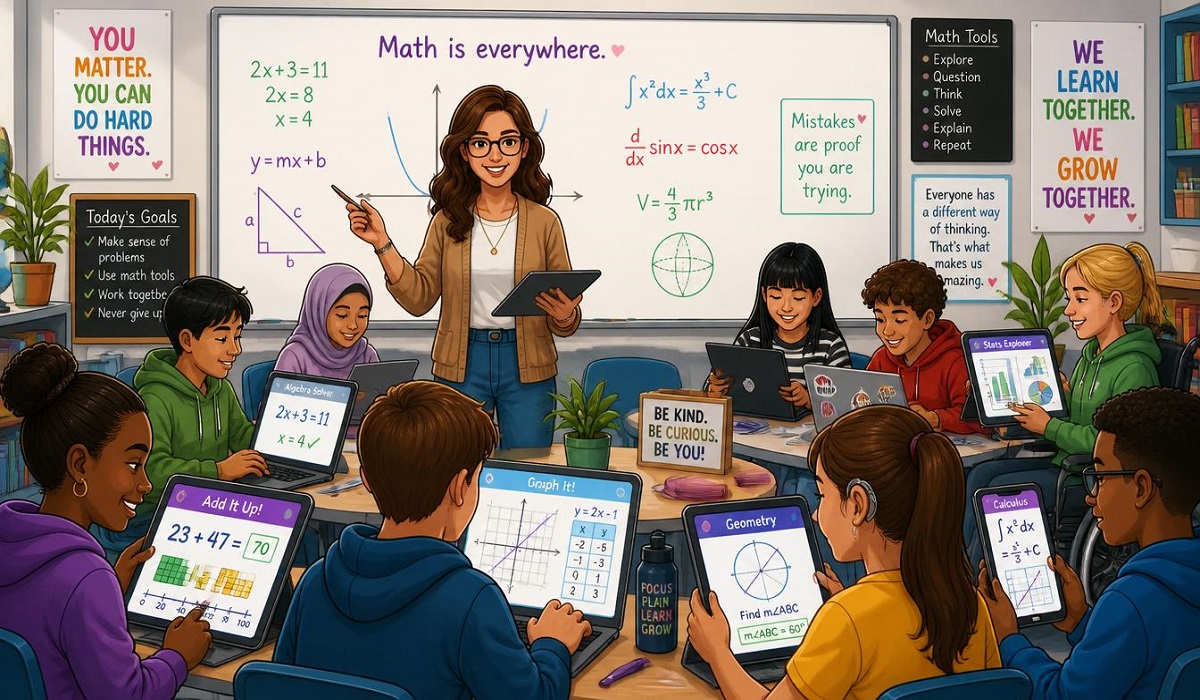
Students will not just learn how to use a computer. They will learn how to create software, solve problems using logic, and understand how technology works. This is a huge shift from the old system where computer science was often an optional subject or not taught at all.
When does it start?
The amended law came into effect immediately after the Senate approved it in May 2026 . This means schools need to start making preparations to teach these subjects.
2. The National Curriculum Summit 2026
In February 2026, the Ministry of Federal Education organized a big event called the National Curriculum Summit . Education leaders from all over Pakistan came together to discuss the “New National Curriculum of Pakistan.”
What was the goal?
The goal was to create a single, national curriculum that is forward-looking and meets the needs of the 21st century . The new curriculum aims to go beyond just textbooks.
What are the key features?
The new curriculum focuses on:
- Critical Thinking: Instead of memorizing facts, students will learn to think, question, and solve problems.
- Creativity: Encouraging students to be innovative.
- Ethical Grounding: Teaching students to be good citizens and responsible people.
- Skill-Based Education: Introducing Technical and Vocational Education and Training (TVET) early on so students learn practical skills for jobs .
- Teaching in Local Languages: This helps students understand concepts better and makes learning more inclusive .
3. The “Education Emergency” – Two Years On
Two years ago, the government declared an “Education Emergency” with a 14-point agenda to fix the education system . In 2026, people are checking if this emergency has actually worked.
Has it been successful?
A review in July 2026 showed that while some progress has been made, many goals have not been fully achieved . Some of the commitments were not fully implemented.
What are the challenges?
- Funding: Education spending actually dropped significantly in one year. This makes it hard to run big programs .
- Implementation: There is often a gap between making a plan and actually putting it into action. The emergency has not always translated into real change on the ground .
- Political Will: Some experts say that the problem isn’t a lack of good ideas, but a lack of “political will” to carry them out .
Even though there are challenges, the emergency has helped focus attention on education. It has pushed the government to take some action, even if the results are mixed.
4. New Initiatives for Student Well-being
The Education Policy Changed in Pakistan in 2026 also focuses on the overall well-being of students, not just their grades.
Mental Health: The government is introducing mental health initiatives as pilot projects in some schools. This includes career counseling and psychological counseling . They are also working to eliminate corporal punishment and improve teacher training.
Nutrition: A “hot meal program” has been introduced in about 100 primary schools . This helps address stunting and nutrition issues, which affect a child’s ability to learn.
STEM Labs: Schools are getting new facilities like STEM and STEAM labs (Science, Technology, Engineering, Arts, and Math). This gives students hands-on experience with modern technology .
Major Changes in Higher Education (Universities and Colleges)
It’s not just schools that are changing. Higher education is also going through a major transformation. The Higher Education Commission (HEC) has introduced several new policies.
1. New Rules for University Admissions
Getting into a university for a Master’s (MPhil) or PhD degree is now very different. HEC has introduced a major reform to make admissions more transparent and fair .
What has changed?
- Standardized Tests: Universities can no longer conduct their own entry tests for MPhil and PhD programs .
- Single System: All admissions from Fall 2026 will be based only on standardized tests administered by HEC, like the GRE or HAT (HEC Admission Test) .
Why is this better?
Previously, every university had its own test. This could be confusing and sometimes unfair. A single test ensures that all students are evaluated on the same scale. It improves “uniformity, transparency, and merit” . This is a big step in ensuring that university admissions are based on ability, not on who you know.
2. New Framework for Universities and Colleges
The government is also reviewing the entire system of how universities are established and accredited. Deputy Prime Minister Ishaq Dar led a committee to review the 2026 HEC Regulatory Framework for higher education institutions .
What is the goal?
The goal is to strengthen Pakistan’s higher education system through the “highest standards of quality, transparency, and excellence” . This means setting clear rules for how universities should operate.
What is being reviewed?
- Guidelines for Establishment: The rules for opening new universities are being updated.
- Quality Assurance: Making sure universities meet certain standards of education.
3. Reforms in Higher Education Policies
HEC is working on several detailed policies to improve how universities run .
Open and Distance Learning (ODL) Policy: This policy sets rules for online education and distance learning. It ensures that online degrees are high quality and equivalent to on-campus programs . This is important for students who cannot attend a physical university.
Graduate Education Policy (GEP): This focuses on improving the quality of Master’s and PhD programs. It aims to improve research standards and make Pakistani graduates more employable .
Anti-Plagiarism Policy: This policy is about academic honesty. It makes it mandatory for universities to check students’ work for plagiarism (copying others’ work) . This ensures that degrees are earned honestly.
Ethical Use of Artificial Intelligence (AI): As AI becomes more common, HEC is developing a policy on how to use it responsibly in education. This includes rules about data privacy and making sure AI is used fairly .
Transnational Education (TNE) Policy: Pakistan has also updated rules for international education partnerships. This includes a new Policy on Dual, Double, and Joint Degrees with foreign universities . These policies make it easier for Pakistani students to get internationally recognized degrees while studying in Pakistan or abroad .
4. Budget and Funding
The government has allocated over Rs 36.3 billion for education projects in the 2026-27 budget . This money will be used for building new schools (like Daanish Schools), training teachers, and improving technology .
What This Means for Students and Parents?
So, what does all this mean for you?
1: For School Students:
- You will learn coding and computer science. This will prepare you for future jobs in technology.
- Your curriculum will focus more on critical thinking and creativity instead of just memorizing facts.
- You will have better facilities like computer labs and STEM labs.
- Your school may offer mental health support and better food.
2: For University Students:
- If you’re applying for a Master’s or PhD, the admission process will be more fair and standardized.
- You will have more options for online and distance learning.
- Pakistani degrees will be more respected internationally due to better quality assurance.
- Universities will have stricter rules against plagiarism, so you must do your own work.
3: For Parents:
- There is now a stronger legal focus on ensuring your children get a quality education.
- The government is trying to make schools safer and better through laws against corporal punishment.
- There is a focus on reducing the number of out-of-school children, especially girls.
The Road Ahead: Challenges and Hopes
While the Education Policy Changed in Pakistan in 2026 is promising, there are still challenges. The biggest challenge is implementation. As we saw with the Education Emergency, it’s one thing to make a policy and another to actually put it into practice .
Key Challenges:
- Funding: Education needs more money to succeed. The budget drop in 2026 is a worry .
- Implementation: Many policies are made, but they don’t always reach the schools and students who need them .
- Training Teachers: Teachers need to be trained to teach new subjects like coding and to use new teaching methods. This is a huge task.
- Reaching Everyone: The changes must reach all children, including those in rural areas and poor families. Special attention is needed for girls .
Despite these challenges, 2026 feels like a year of hope. The government is showing that it understands the importance of education. The changes are real and significant. If the government can follow through on these plans, the future of education in Pakistan could be very bright.
Summary
In 2026, the Education Policy Changed in Pakistan in fundamental ways. The government made coding and computer science compulsory in schools, began rolling out a new national curriculum focused on 21st-century skills, and introduced major reforms in university admissions. While challenges like funding and implementation remain, these changes have the potential to transform Pakistan’s education system and prepare its youth for the future.
Frequently Asked Questions (FAQs)
1. Is coding now compulsory for all students in Pakistan?
Yes. In May 2026, the Senate passed a law making computer science, coding, and programming compulsory for all students from elementary school to high school .
2. What is the new National Curriculum of Pakistan?
The new curriculum aims to shift the focus from rote memorization to critical thinking, creativity, and skill-based education. It also introduces concepts like AI learning and seeks to integrate technical and vocational training early on .
3. How has university admission changed in 2026?
For MPhil and PhD programs, universities can no longer hold their own entry tests. Starting Fall 2026, all admissions will be based on standardized tests administered by HEC, like the GRE and HAT .
4. What is the “Education Emergency” in Pakistan?
In 2024, the government declared an “Education Emergency” with a 14-point agenda to tackle Pakistan’s educational challenges. This includes tasks like bringing out-of-school children into classrooms, improving literacy, and reforming the curriculum .
5. Are there any new policies for online education?
Yes. HEC has launched an Open and Distance Learning (ODL) Policy. This provides a framework for online and blended learning to ensure that these programs maintain high quality and are equivalent to on-campus education .