Physical Aggression
Physical Aggression: Physical aggression is a term we hear often, but do we truly understand what it means? Whether it’s a child hitting a sibling, a teenager pushing a classmate, or an adult getting into a physical fight, physical aggression is all around us. But what exactly is it, and why does it happen?
In this comprehensive guide, we’ll break down what is physical aggression with examples so that anyone—from an 8th grader to an adult—can easily understand. We’ll look at its definition, types, causes, and how it differs from other forms of aggression. Let’s dive in.
Understanding the Basics: What is Physical Aggression?
Simply put, physical aggression is any behavior where a person uses their body or an object to cause physical harm or injury to another person or animal. It’s an intentional act, not an accident.
Think about it like this: if you accidentally trip and bump into someone, that’s not physical aggression. But if you purposely shove them, that is.
The key ingredients of physical aggression are:
- Intentionality: The person means to cause harm.
- Physical action: The behavior involves physical force or contact.
- Harm: The action is meant to hurt, injure, or damage.
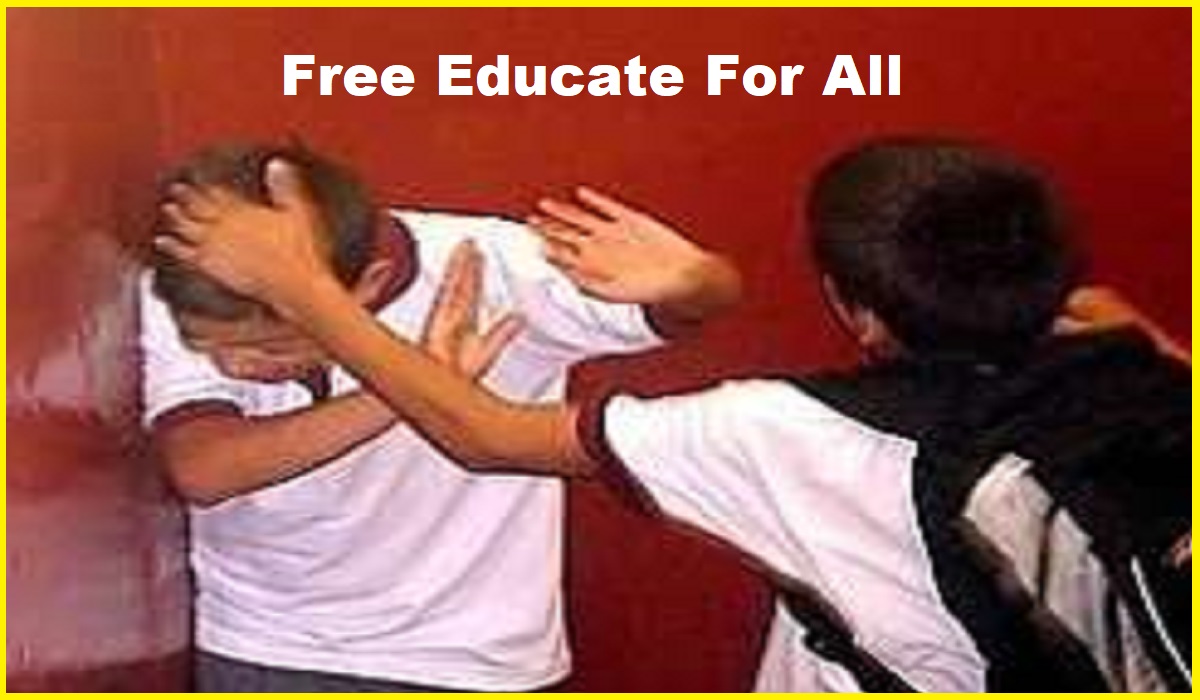
What is physical aggression with examples in everyday terms? It includes hitting, kicking, punching, slapping, pushing, shoving, biting, pinching, and even throwing objects at someone. It can also involve using weapons like knives, sticks, or guns to harm another person.
Key Characteristics to Remember
- Physical aggression is different from rough play. Playful wrestling or playful pushing among friends isn’t usually considered aggression because there’s no intent to hurt.
- It’s also not the same as self-defense. If someone is defending themselves from an attack, that’s not usually viewed as aggression.
- It’s a choice. The person is making a conscious decision to use physical force against another person.
Types of Aggression: How Physical Aggression Fits In
Psychologists and researchers often break aggression down into different types based on the motive behind the behavior. Understanding these categories helps answer the question, “What is physical aggression with examples” in a more detailed way.
1. Reactive (Hostile) Aggression
This type of aggression is impulsive, driven by anger, and happens in the “heat of the moment.” The primary goal is to cause pain or harm because the person is feeling frustrated or threatened.
- Example: Two kids get into an argument over a video game, and one gets so angry that he punches the other in the face. The punch was a reaction to anger.
- Another Example: A person cuts you off in traffic, and you become so enraged that you speed up, tailgate them, and shout obscenities. Your aggression was a reaction to a perceived provocation.
2. Proactive (Instrumental) Aggression
This type of aggression is more calculated and planned. The person isn’t necessarily angry; they are using physical force as a tool to get what they want. The harm to the other person is a means to an end.
- Example: A bully pushes a smaller kid in the hallway and demands their lunch money. The bully isn’t necessarily angry; they just want money and are using physical aggression to get it.
- Another Example: A person threatens to hurt someone unless they give them their wallet during a robbery. The goal is money, not the harm itself.
3. Physical vs. Relational vs. Verbal Aggression
This is another common way to categorize aggression, based on how the harm is delivered. This makes it easier to understand what physical aggression means compared to other forms.
- Physical Aggression: Involves causing physical harm (e.g., hitting, kicking).
- Verbal Aggression: Involves using words to cause harm (e.g., yelling, insulting, threatening).
- Relational (Social) Aggression: Involves trying to harm someone’s reputation or relationships (e.g., spreading rumors, excluding someone from a group, gossiping).
When we ask, “What is physical aggression with examples,” we’re specifically looking at the physical acts, not the verbal or relational ones.
A Detailed Look: Examples of Physical Aggression
To fully understand what is physical aggression with examples, it’s helpful to see the wide range of behaviors that fall under this category.
Common Examples in Daily Life
These are the actions we might see in schools, homes, and neighborhoods:
- Hitting, Punching, and Slapping: These are some of the most common forms of physical aggression.
- Kicking: Using legs and feet to strike someone.
- Pushing and Shoving: Forcing someone backward or out of the way.
- Biting: Using teeth to inflict pain.
- Pinching: Squeezing someone’s skin hard enough to cause pain.
- Scratching: Using fingernails to break the skin.
- Spitting: Although less physically damaging, spitting is a form of physical aggression as it’s an aggressive act involving physical contact (or attempted contact) with bodily fluids.
- Throwing Objects: Hurling things like books, phones, or rocks at another person.
- Grabbing and Pulling: Snatching items from someone or pulling clothing.
- Slamming and Banging: Pushing someone into a wall or slamming a door on them.
Examples of More Severe Physical Aggression
- Using Weapons: Attacking someone with a stick, a bat, a knife, or a gun. This can cause serious injury or death.
- Strangulation: Choking another person.
- Jumping on someone: A person jumping on top of another to cause harm or subdue them.
Real-World Scenarios
Let’s put these examples into real-life scenarios to better answer the question, “What is physical aggression with examples.”
Scenario 1: The School Bully
A group of older students tells a younger student they can’t play on the basketball court because it’s “theirs.” When the younger student tries to join, they are pushed to the ground, and one of the older students throws a ball at them.
- What is physical aggression with examples here? The pushing and throwing of the ball are clear examples.
Scenario 2: A Playground Fight
Two children are playing with blocks. One wants a specific red block that the other child is using. When the other child won’t share, the first child gets frustrated, screams, and hits the other child in the arm.
- What is physical aggression with examples here? The hitting is a physical act of aggression.
Scenario 3: An Argument Between Siblings
Two siblings are arguing over which TV show to watch. The argument escalates, and one sibling shoves the other off the couch, and they start wrestling and trying to punch each other.
- What is physical aggression with examples here? The shoving, wrestling, and attempted punching all qualify.
Scenario 4: Road Rage
A driver gets cut off on the highway. Furious, the driver speeds up, pulls alongside the other car, and throws a full water bottle out the window, hitting the other car.
- What is physical aggression with examples here? Throwing the bottle (an object) at the other vehicle is an aggressive act, even if it doesn’t hit a person.
The Difference Between Physical Aggression and Violence
Often, we use the words “aggression” and “violence” interchangeably, but there is a subtle difference. Understanding this helps refine what is physical aggression with examples.
- Physical Aggression: Any behavior intended to cause physical harm. This can be mild (like a push) or severe (like a punch).
- Violence: A more specific term. Violence usually refers to extreme, destructive forms of physical aggression that are aimed at causing serious injury, harm, or even death.
Think of it this way: All violence is physical aggression, but not all physical aggression is violence.
- Example of Physical Aggression (Not Violence): A child pushes his classmate in the lunch line. It’s an aggressive act, but it’s not usually considered violence.
- Example of Physical Aggression (Violence): An adult hits a stranger over the head with a heavy glass bottle, causing a severe injury.
Why Does Physical Aggression Happen? The Causes
Physical aggression doesn’t just happen for no reason. There are many factors that can cause a person to act aggressively.
1. Emotional Factors
- Frustration and Anger: People often become aggressive when they are frustrated and unable to achieve a goal. This is the basis of the Frustration-Aggression Theory.
- Stress: High levels of stress can make people more irritable and more likely to lash out.
2. Psychological Factors
- Genetics and Personality: Research suggests that genetics may play a role in aggression. Some people are naturally more prone to impulsive and aggressive behavior. In fact, twin studies show that genetics account for about half of the differences in aggression between people. For physical aggression specifically, that number might be as high as 65%.
- Mental Health Conditions: Certain conditions, like ADHD, conduct disorder, anxiety, and depression, can increase the risk of aggressive behavior.
3. Social and Environmental Factors
- Learning: People can learn aggressive behavior by watching others. If a child sees their parents using physical force or if they play violent video games and watch violent movies, they may be more likely to imitate that behavior.
- Family Environment: Children who grow up in homes with a lot of conflict, abuse, or neglect are more likely to display aggressive behavior themselves.
- Peer Influence: Friends can influence each other’s behavior. Hanging out with peers who use aggression can encourage a person to do the same.
- Culture: Some cultures are more accepting of aggression and violence than others.
Physical Aggression in Children vs. Adults
The way physical aggression shows up can vary depending on age.
Physical Aggression in Children
- Toddlers and Preschoolers: Physical aggression is quite common in very young children. A toddler might bite or hit when they can’t express their feelings with words. This is often a normal stage of development where they’re learning emotional regulation.
- School-Aged Children: As children grow, they usually learn better ways to handle conflict. However, some children might use physical aggression more frequently if they are being bullied or bullied, or if they struggle with impulse control.
- Pre-teens and Teens: Physical aggression in this age group can be more serious, including bullying, fighting, and violence.
Physical Aggression in Adults
- Adults are generally expected to have better control over their impulses. When adults use physical aggression, it’s often a sign of a serious problem like anger management issues, substance abuse, or a mental health condition.
- Adult physical aggression is most often seen in domestic violence, fights, and other violent crimes.
The Link Between Physical Aggression and Bullying
Bullying is a specific type of aggressive behavior. It’s defined as repeated, unwanted aggressive behavior that involves an imbalance of power.
Physical bullying is a form of physical aggression. Examples include:
- Hitting, kicking, or shoving someone repeatedly.
- Tripping someone on purpose.
- Stealing or destroying someone’s property.
What is physical aggression with examples in the context of bullying? It’s the physical acts that bullies use to hurt their victims over and over again.
Key Facts About Physical Aggression
- It’s Not Always About Anger: Sometimes people use physical aggression to get something they want, not because they’re angry. This is proactive aggression.
- Boys vs. Girls: While both boys and girls can be physically aggressive, statistics show that males tend to engage in higher levels of physical aggression, especially severe forms like hitting and punching. Females are often more likely to use relational aggression, like spreading rumors.
- It Can Be Prevented: There are programs and strategies that teach children and adults how to manage anger and resolve conflicts without violence.
- It Has Serious Consequences: Physical aggression can lead to physical injuries, broken relationships, school suspension, legal trouble, and long-term emotional problems.
- It’s a Choice: While someone might feel angry or frustrated, acting on that feeling with physical force is still a choice. There are always other, healthier ways to handle strong emotions.
Conclusion: Understanding Physical Aggression is the First Step to Stopping It
So, what is physical aggression with examples? It’s a behavior—a choice—to use physical force to hurt someone else. It’s hitting, pushing, kicking, and all the other ways we’ve talked about. It can be driven by anger (reactive) or by a desire to gain something (proactive). It affects people of all ages, from toddlers to adults, and it can have serious and lasting impacts.
Understanding what is physical aggression with examples isn’t just about memorizing a definition. It’s about recognizing it when it happens, understanding why it happens, and, most importantly, knowing that it can be changed. By learning about this topic, we can work towards building a world where people choose words over fists and kindness over cruelty.
Frequently Asked Questions (FAQs)
1. What’s the difference between physical aggression and verbal aggression?
Physical aggression involves using your body or an object to cause physical harm, such as hitting, pushing, or kicking. Verbal aggression uses words to cause harm, like yelling insults, name-calling, or making threats.
2. Is a parent spanking their child considered physical aggression?
This is a debated topic. While some view spanking as discipline, many psychologists and child development experts classify it as a form of physical aggression because it involves using physical force to cause pain. The intent is often to correct behavior, making it a form of instrumental aggression.
3. Is there a difference between physical aggression in boys and girls?
Research shows that males, on average, engage in more physical aggression than females. This is especially true for severe acts of physical aggression like punching and hitting. Females are more likely to use relational aggression, like gossip and social exclusion.
4. Are there effective treatments to stop physical aggression?
Yes! There are many evidence-based treatments, including anger management classes, cognitive-behavioral therapy (CBT), and family therapy. These approaches help people identify their triggers, learn to regulate their emotions, and develop healthier ways to handle conflict.
5. If a child is physically aggressive, will they grow out of it?
Not always. While many children become less physically aggressive as they get older and learn to use words, some continue to have aggressive patterns into adolescence and adulthood. This is especially true without intervention. The earlier a child gets help to manage their aggression, the better the outcome.
Summary
What is physical aggression with examples? It is any intentional physical act meant to cause harm or injury to another person or animal. Key examples include hitting, kicking, punching, pushing, shoving, and biting. It’s distinct from accidental harm, rough play, and self-defense. Physical aggression can be reactive, driven by anger, or proactive, used as a tool to achieve a goal.
It’s different from verbal and relational aggression, which involve words and social manipulation, respectively. Understanding what is physical aggression with examples helps us recognize its many forms, from a toddler’s bite to a violent assault, and is crucial for addressing and preventing this behavior across all ages.