Teacher’s Role and Responsibility Toward Students
Teacher’s Role and Responsibility Toward Students: Think back to your favorite teacher. What made them special? Chances are, it wasn’t just the way they taught math or history. It was probably the way they made you feel seen, valued, and capable. Today, a teacher’s role and responsibility toward students has grown into something much bigger than just standing in front of a class and talking. Teachers are the architects of the future, quietly building the minds and characters of the next generation.
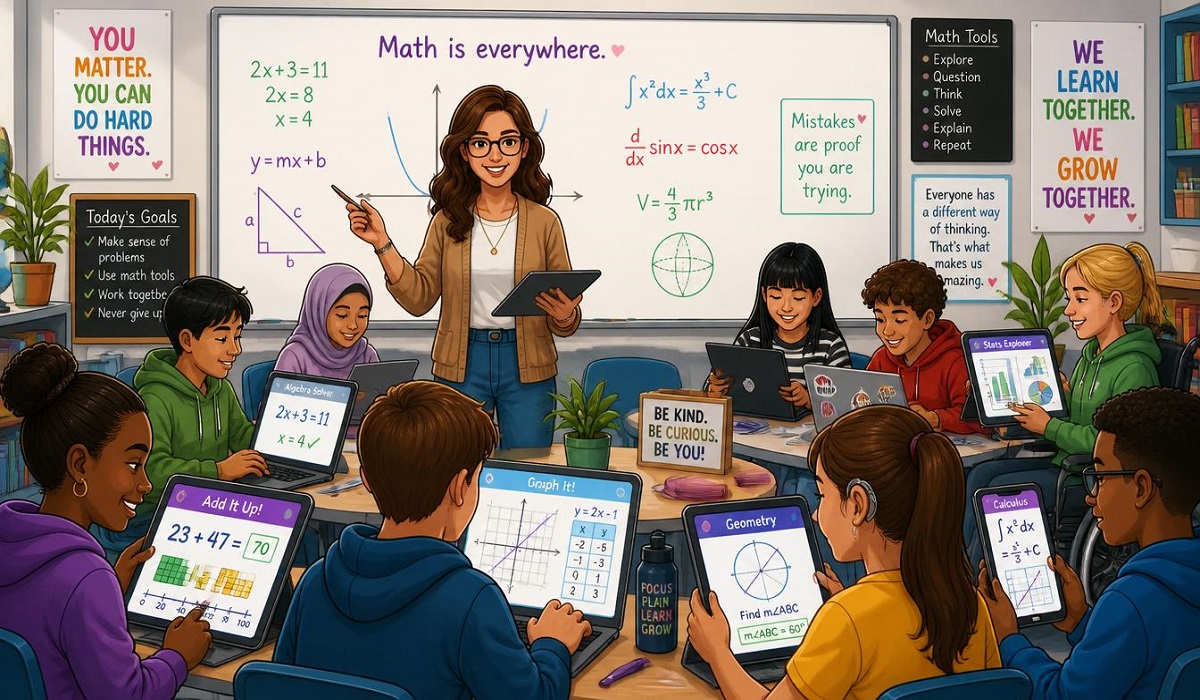
In the last ten years, the job has transformed completely. It’s no longer about the “sage on the stage” who lectures from behind a podium. Now, a teacher is a guide, a mentor, a coach, and sometimes even a counselor. They are right in the middle of the action, sitting on the carpet with young learners or facilitating group discussions online . This shift has put students in the driver’s seat of their own learning, making the process more of a collaboration than a one-way street.
This article will be your compass, guiding you through all the different parts of a teacher’s role and responsibility toward students. We will explore everything from the official rules to the everyday, real-life things teachers do to change lives.
The Multi-Faceted Roles of a Modern Teacher
A teacher today wears many hats. The old idea of a teacher only being a “knowledge giver” is long gone. To really understand a teacher’s role and responsibility toward students, we have to look at all the different jobs they do every single day. They are not just educators; they are leaders, managers, and caretakers .
The Guide and Facilitator
One of the most important shifts in education is the move from “teaching” to “facilitating.” This means a teacher’s job is to guide students on their learning journey, not just to hand them the answers. The focus is on student-centered learning, where teachers create an environment for students to explore, ask questions, and discover knowledge for themselves . Instead of reciting facts, a teacher plans lessons that get students thinking critically and solving problems. For example, in a science class, rather than just telling students about chemical reactions, the teacher might guide them through an experiment so they can see the reaction happen firsthand. This helps them “learn how to learn,” a skill they will use for the rest of their lives . This is based on an idea called the “Gradual Release of Responsibility,” where the teacher starts by showing the class how to do something, then lets them practice with help, and finally lets them try it on their own .
The Mentor and Counselor
Another key part of a teacher’s role and responsibility toward students is being a mentor. Students spend a lot of time at school, often more than they spend with their families during the week . This means teachers are in a powerful position to guide students’ personal and social development.
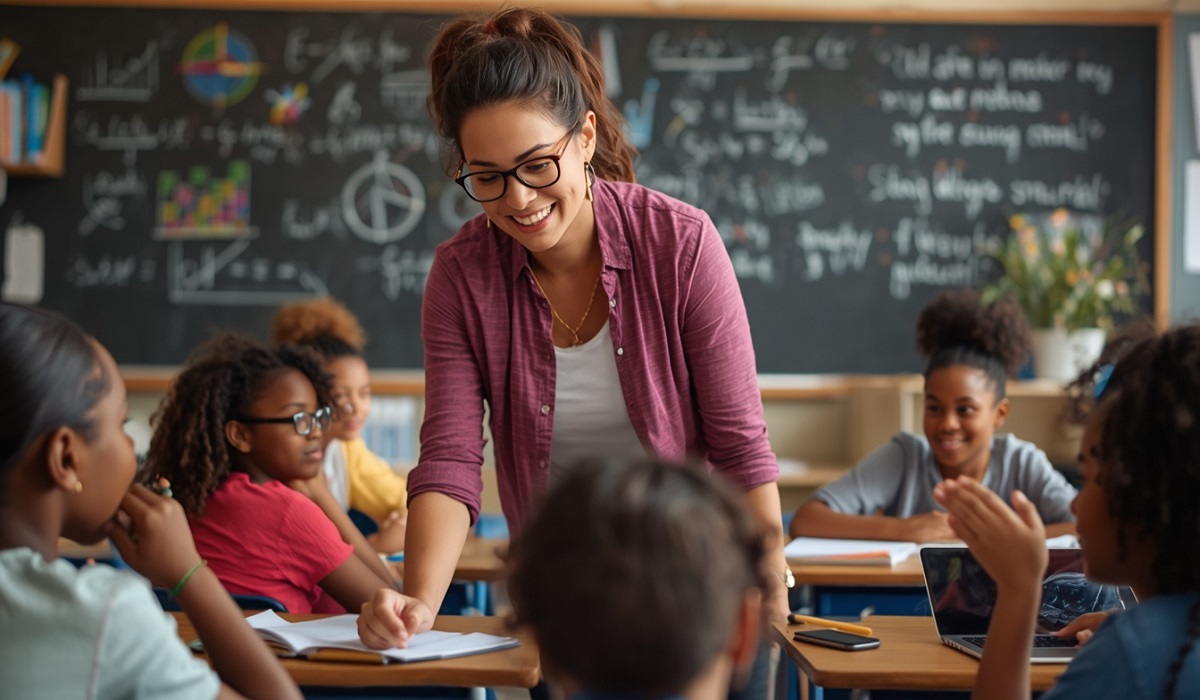
Students often turn to their teachers for advice on everything from school projects to personal problems. Teachers help them build self-esteem and become more resilient . They teach important life skills, like how to handle disappointment, how to work in a team, and how to solve conflicts fairly. By showing empathy and care, a teacher can have a huge positive influence on a student’s life . They might not realize it at the time, but a teacher’s encouraging words can stick with a student for years, helping them believe in themselves. Sometimes, teachers are the only positive adult role models a child has, making this part of their responsibility crucial .
The Classroom Manager
To create a good learning environment, a teacher must be an effective classroom manager. This isn’t just about keeping the class quiet. It’s about creating a space where every student feels safe, respected, and ready to learn .
Good classroom management involves planning lessons carefully, organizing activities smoothly, and setting clear rules from day one . When a teacher arrives on time every day and greets students at the door with a smile or a fist bump, it sets a positive tone for the whole day . It creates a sense of predictability and trust. A teacher must also keep the classroom clean and organized, making sure all the necessary supplies and resources are available for the day’s lessons .
The Architect of Character
A teacher’s influence isn’t limited to academics. They play a big role in building the character and moral values of their students. This is a key part of a teacher’s role and responsibility toward students that often goes unnoticed.
Teachers help students develop positive habits like being punctual, organized, and hardworking . They use their own behavior as an example—when a teacher shows respect to others, it teaches students to do the same . They also help students learn about good citizenship and their duties to the nation. By addressing bad behavior fairly and calmly, teachers show students what is right and wrong . They guide students in understanding how their actions affect others, helping them become kind and responsible members of society.
The Researcher and Evaluator
A modern teacher doesn’t just teach; they also think about what works and what doesn’t. They are always looking for ways to be better. This is where the teacher’s role as a researcher and evaluator comes in . If a certain teaching method isn’t helping students understand a lesson, the teacher will try a new one and see if it works better. This is called “action research”—a process of identifying a problem in the classroom and testing solutions .
Teachers also constantly evaluate their students’ progress. This is more than just giving a test at the end of the year. It’s about checking for understanding during a lesson, grading homework, and using portfolios to track growth over time . This feedback is essential for both the teacher and the student to know where they are and where they need to go.
Key Responsibilities in Detail
To fully understand a teacher’s role and responsibility toward students, let’s look at some of the most important duties they have.
Nurturing Through Positive Relationships
Building positive relationships is the heart of good teaching. It’s the foundation on which everything else is built. Research shows that these relationships are critical not just for students’ well-being, but also for their achievement in school .
Here are some of the ways teachers build these relationships:
- Being Authentic: Kids can tell when someone is being fake. Teachers who are real and genuinely interested in their students’ lives build trust. A teacher might give a simple worksheet at the start of the year to ask about their students’ favorite things. This isn’t just to collect data; it’s to start a conversation and show they care .
- Being Consistent: When a teacher is consistent with their rules and daily schedule, it makes students feel safe. They know what to expect every day. For some students, the only positive interaction they have all day is a teacher greeting them at the classroom door. This simple act can change their whole mood and help them get ready to learn .
- Being Accountable: Everyone makes mistakes. It’s important that a teacher models how to own up to them. If a teacher loses their temper, they should apologize to the class. This models accountability and shows students that it’s okay to be wrong as long as you take responsibility .
- Being Vulnerable: A teacher doesn’t have to know everything. They can be honest with students and say, “I don’t have all the answers, but we can figure this out together.” This shows a spirit of teamwork and makes students feel more comfortable asking for help .
- Being Non-Judgmental: Sometimes, students might be rude or difficult. A good teacher doesn’t take this personally. They understand that a student’s behavior might be a sign of a problem at home or a personal struggle. Instead of getting angry, they try to find out what’s wrong and help the student work through it .
Ensuring a Safe and Supportive Environment
A teacher’s role and responsibility toward students includes making sure they are safe. A school should be a safe haven. Teachers have a duty of care to protect students from harm .
This means a teacher must be aware of the physical environment. They should know if there are clean restrooms, a safe place to eat, and that the building is secure . It also means creating a space where students are safe from bullying and discrimination. Teachers are expected to intervene if they see a student being teased or left out. They must protect students from discrimination and report any concerns about violence or abuse . They also need to know the school’s policies on child safety and be ready to help students who are struggling with their health or well-being .
Driving Academic and Personal Growth
Of course, teaching is still a big part of the job. But the way a teacher teaches is part of a teacher’s role and responsibility toward students. They must move beyond “rote” or “chalk and talk” learning.
Teachers are responsible for connecting what students learn in the classroom to the real world . For example, a math teacher might use a real-life scenario like calculating a restaurant tip to teach percentages. This shows students why they are learning something, which makes them more engaged.
They also plan lessons for different types of learners. Some students learn best by reading, others by listening, and others by doing. A good teacher will try to include a mix of these styles in their lessons. Additionally, teachers help students develop life skills. This can be as basic as teaching a young child how to tie their shoes, or as complex as helping a high schooler figure out a career path .
Working with Parents and the Community
A teacher doesn’t work in a bubble. A big part of a teacher’s role and responsibility toward students involves connecting with parents and the wider community.
Teachers are expected to keep parents informed about how their child is doing in school. This is done through parent-teacher meetings, progress reports, and sometimes just a quick email or phone call . They must be available for meetings and be willing to discuss any concerns parents might have. When a teacher and a parent work together as a team, it’s much easier for the student to succeed . Teachers also encourage students to get involved in community service projects, volunteer work, or school-wide events that connect them to the world outside the school gates .
Navigating Challenges in Modern Education
While the job is rewarding, it is also tough. Teachers face many challenges today. The digital age, for example, means teachers need to have strong skills in technology. Students are growing up with smartphones and tablets, and a teacher must be able to use tech to make lessons more engaging . Another challenge is keeping students motivated. With so many distractions, it can be hard to capture a student’s attention. A teacher must use creative and interactive strategies to keep the class interested . Finally, teachers must learn to balance their own feelings and not take things personally when students act out, which is easier said than done .
Conclusion: The Lasting Impact of a Teacher
The role of a teacher is incredibly demanding, but the impact is everlasting. While parents and family are a child’s first teachers, a great educator comes in at a critical time to help shape who that child will become .
A teacher’s role and responsibility toward students is to be a role model of what a good person looks like—someone who is fair, respectful, and kind. They nurture a love of learning that can last a lifetime. They show students what is possible, helping them dream bigger than they might have thought. Ultimately, teachers are planting seeds of knowledge and values that will grow and bloom for decades to come. They aren’t just teaching a subject; they are building the future.
Frequently Asked Questions (FAQs)
What is the main role of a teacher in the classroom today?
Today, the main role is to be a “guide” or “facilitator” rather than just a lecturer. A teacher creates an environment where students can explore, ask questions, and think critically to discover knowledge for themselves .
Why is it important for a teacher to build a good relationship with students?
Building positive relationships is the foundation for everything else. It builds trust, makes students feel safe and respected, and has been proven to significantly boost student achievement and personal development .
What does a teacher’s “duty of care” mean?
A “duty of care” is a teacher’s legal and moral responsibility to protect students from harm. This includes ensuring they are safe from bullying, discrimination, and unsafe physical conditions, as well as looking out for their mental and emotional well-being .
How do teachers help students with their personal growth?
Teachers act as mentors and counselors, helping students learn life skills like conflict resolution, teamwork, resilience, and building self-esteem. They model good behavior and help students develop strong character and moral values .
What are some modern challenges teachers face?
Some major challenges include keeping up with rapidly changing technology, keeping students motivated in a world of digital distractions, and balancing the need to cover academic material with the responsibility to support students’ emotional needs .
Summary
The modern teacher is a multifaceted professional whose role extends far beyond academic instruction. A teacher’s role and responsibility toward students includes being a guide, mentor, counselor, and classroom manager. They are responsible for nurturing students’ minds and character, building strong relationships, ensuring a safe and supportive environment, and bridging the gap between school, home, and the wider community, ultimately leaving a lasting impact on the future.